
2026-05-18
Blog
New survey results reveal the true cost of the growing language gap in clinics today.
Let's be honest. In our globalized world, language barriers in healthcare aren't just an occasional hiccup anymore. It's a universal problem, and pretty much everyone in the industry is grappling with how to find a solution that actually fits their daily workflow. People want to talk about it because they deal with it every single day.
To get a better grip on what's happening on the clinic floor, we ran a new survey on language barriers during our visits to E-helse+MVTe in Norway and Vitalis in Sweden this May. We also looked back at data we gathered from the biggest radiology trade show in Sweden last year to see the bigger picture of language barriers in Sweden and Norway.
Here is what the numbers – and the people behind them – told us.
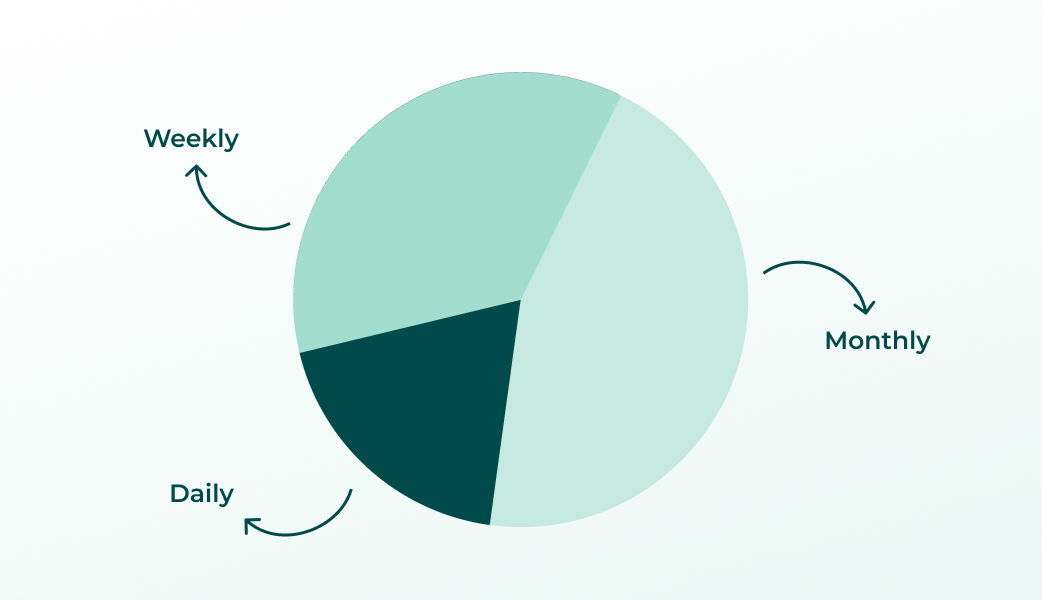
We surveyed 60 participants, and 73% (44 people) stated flat-out that language barriers actively hinder their work.
Of those 73%, the frequency looked like this:
If you thought a clinic only needed to support one or two languages to fix the issue, think again. When asked which languages were the hardest to find interpreters for, the answers were incredibly fragmented.
Arabic (especially due to the number of dialects) and Tigrinya topped the list, but the rest of the responses showed massive variety: Chinese, Thai, Swahili, Somali, Italian, Urdu, Vietnamese, Bosnian, Japanese, Ukrainian, Pashto, Dari, Korean, Kurdish, Albanian, Cantonese, and various minority languages. Interestingly, even North Frisian, Swedish, Finnish, and English made the list.
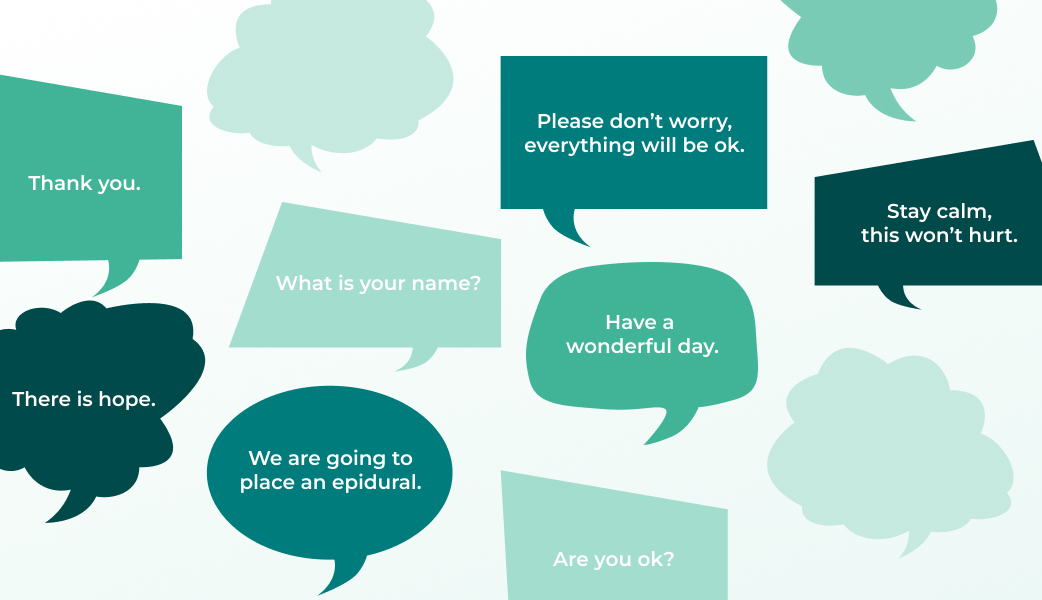
We asked these healthcare professionals what they wished they could say in any language. The answers were incredibly telling:
This isn't just about translating complex medical diagnoses. The hardest part of the job right now is simply being human. Healthcare workers just want to provide basic empathy and comfort. The sheer variety of languages mentioned proves that a "one-size-fits-all" human interpreter solution is nearly impossible to nail down.
If there's one thing to pull from all this data, it's that the small actions matter. Healthcare professionals want to be able to provide the most basic, essential services for patients and care recipients, no matter what language they speak.
Relying on an ad-hoc mix of generic translation apps and family members is frustrating staff and slowing down care. Everyone knows the problem is there. Now, as the industry only becomes increasingly globalized, it's time to start adopting secure, efficient solutions that actually work on the floor so caregivers can get back to doing what they do best: caring for people.
And if you're tired of using stressful workarounds to talk to your patients, our app might be exactly what you're looking for. Learn more about it here or download it for free here.