
Erfahren Sie, wie unsere Kunden mit Care to Translate Sprachbarrieren überwinden.
Das Universitätsklinikum des Saarlandes ersetzte unzuverlässige Ad-hoc-Übersetzungsmethoden durch eine strukturierte medizinische App, um klinische Präzision und Patientensicherheit zu gewährleisten. Der Wechsel von improvisierten Übersetzungen zu standardisierten Formulierungen verbesserte die Kommunikation deutlich und gab sowohl dem medizinischen Personal als auch internationalen Patienten mehr Sicherheit.
Rijnstate führte Care to Translate als erstes Krankenhaus in den Niederlanden im gesamten Klinikum ein. Damit ersetzte das Krankenhaus unzuverlässige Ad-hoc-Lösungen durch eine sichere und medizinisch validierte Übersetzungslösung. Die krankenhausweite Einführung verbesserte unmittelbar die Patientensicherheit und Verständigung, wobei bereits im ersten Monat fast 15.000 erfolgreiche Übersetzungen verzeichnet wurden.
Das Filutowski Eye Institute setzt Care to Translate ein, um Patientenabläufe zu optimieren und die medizinische Präzision in der operativen Augenheilkunde sicherzustellen. Durch den Einsatz einer spezialisierten medizinischen Übersetzungslösung anstelle allgemeiner Übersetzungs-Apps und externer Dolmetscherdienste konnte die Praxis Terminzeiten verkürzen und das Risiko von Fehlinterpretationen beseitigen.
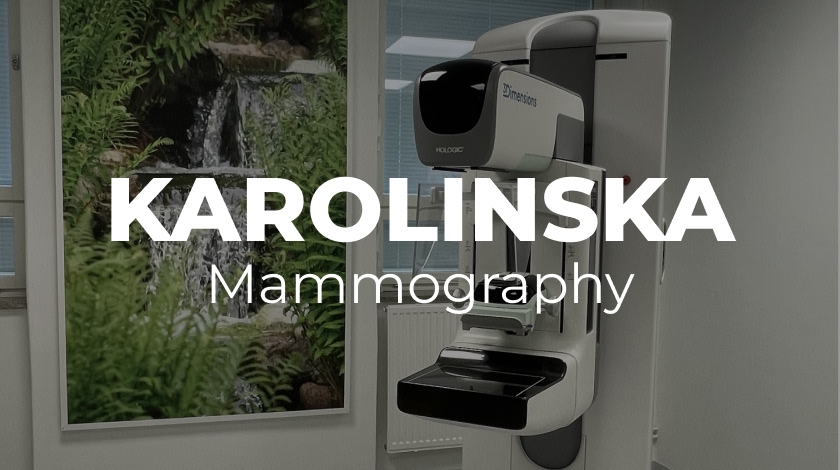
Die Mammographie-Abteilung des Karolinska-Universitätskrankenhauses nutzt Care to Translate, um Sprachbarrieren bei Vorsorgeuntersuchungen zu überwinden, wenn keine Dolmetscher verfügbar sind. Die App ermöglicht es dem Personal, klare Anweisungen zu geben, die Abläufe effizienter zu gestalten und den Komfort der Patienteninnen zu erhöhen. Gleichzeitig stellt sie eine kostengünstige Lösung für die Kommunikation während der Untersuchung dar.
Adullam ist eine Schweizer Gesundheitsorganisation mit geriatrischen Kliniken und Pflegezentren. Aufgrund der zunehmenden sprachlichen Vielfalt im Pflegealltag wurde eine klare und verlässliche Kommunikation immer wichtiger. Durch die Einführung von Care to Translate konnte die Adullam-Stiftung die Verständigung im Pflegealltag sicherer, schneller und zuverlässiger gestalten.
Motivated by the pressing need for a secure and reliable translation tool, Oslo University Hospital turned to Care to Translate for a pioneering research study to assess the efficacy of a medical translation app within the complex landscape of heart surgery patient care.
Dalen Hospital’s palliative care team used Care to Translate to facilitate sensitive end-of-life conversations when interpreters were unavailable. By using verified medical phrases, staff reduced misunderstandings and improved patient dignity, ensuring that final wishes were clearly understood and respected.
Tranemo kommun introduced Care to Translate to address long-standing communication challenges across elderly care, home services, social services, and disability support. By starting with a high-need unit and scaling quickly, the municipality saw immediate improvements in daily routines, reduced misunderstandings, increased safety, and a more inclusive work environment.

Erfahren Sie, wie die Royal United Hospitals Bath mithilfe von Care to Translate Kommunikationsbarrieren in der Geburtshilfe überwinden. Mit der App kann sich das medizinische Personal auch mit Patientinnen ohne Englischkenntnisse schnell und zuverlässig verständigen, etwa in Notfällen, während der Geburt oder bei der Nachsorge.
Doctors of the World Netherlands uses Care to Translate to communicate safely and effectively with patients who face language barriers. With validated medical phrases and GDPR-safe live translation, the tool helps staff deliver clearer communication, reduce risk, save valuable time, and offer more accessible and equitable care to marginalized groups.
Helse Møre & Romsdal's emergency departments struggled with a language gap that interpreters couldn't always bridge. Since adopting Care to Translate, staff can now communicate instantly with non-Norwegian-speaking patients, cutting interpreter wait times from 36 minutes to 26 seconds.
The mammography department in Region Västernorrland uses Care to Translate to overcome language barriers, improving attendance and communication with non-Swedish speaking patients. This has led to better patient safety, fewer rescheduled appointments, and increased efficiency for staff.
Borås Stad uses Care to Translate to bridge language barriers in community psychiatry and supported housing. A secure, GDPR-compliant alternative has improved safety, reduced misunderstandings, saved staff time, and lowered compliance risks.
Irvington Volunteer Ambulance Corps uses Care to Translate to ensure immediate, verified communication during emergency responses. By implementing Care to Translate, they have improved their ability to gather vital patient history and symptoms, regardless of if there is a language barrier.
At Mälarsjukhuset’s Bröstcentrum, Care to Translate has become an essential part of the workflow, ensuring that all women receive the care and information they need during their mammography screenings.
With the increase in refugees from Ukraine during the war, it became evident that there was a need for additional translation tools in Molde, Norway. With Care to Translate they now have a way to solve language barriers throughout the patient journey, across many healthcare areas.
Seenotrettungseinsätze werden oft durch Sprachbarrieren erschwert. Das medizinische Team von Sea-Eye nutzt Care to Translate bei Rettungseinsätzen, um eine effektive Kommunikation mit den geretteten Personen zu ermöglichen.
At Ullevål Hospital, nurse anesthetists are using Care to Translate to improve patient communication and safety, particularly when interpreters aren't available. The app enables anesthetists to address important pre-surgery questions, enhance patient understanding, and streamline processes during high-risk procedures.
Discover how the ICU at a major Stockholm emergency hospital uses Care to Translate to ease patient anxiety during daily wake-ups. The app helps non-native speakers feel calmer and allows staff to communicate effectively, improving patient care and reducing stress in critical situations.
What happens when the translator is not available? Well, for the radiology department at the National University Hospital of Iceland, Landspitali, work continues as normal. They use Care to Translate during radiological examinations to save time, both for the patient and healthcare staff.
Mälarsjukhuset struggled with unexpected translation needs, leading to delays in patient scans. With Care to Translate, staff can now efficiently address urgent translation requirements for safety questions before MRIs, enabling them to conduct scans without rescheduling.
Region Västmanland's ambulance services struggled with interpreter access, especially in emergencies. Care to Translate now allows paramedics to quickly understand patients' medical histories, allergies, and needs, improving safety and decision-making.

Soodia reduces radiology wait times by operating during off-hours. Previously, patients needing interpreters were often sent home if none were available. Now, with Care to Translate, Soodia can immediately communicate with non-Swedish-speaking patients, improving efficiency, safety, and patient satisfaction.