
Dalen Hospital’s palliative care team used Care to Translate to facilitate sensitive end-of-life conversations when interpreters were unavailable. By using verified medical phrases, staff reduced misunderstandings and improved patient dignity, ensuring that final wishes were clearly understood and respected.
Organisation: Dalen Hospital
Country: Sweden
Setting: Palliative and end-of-life care
Challenge: Facilitating sensitive, deeply personal conversations about fears and final wishes
Key outcomes:
Language barriers can make some of the most important conversations in healthcare nearly impossible. In palliative care, where discussions often involve fears, wishes, and end-of-life decisions, clear communication is essential.
Through a pilot project in advanced home care and hospice settings at Dalen Hospital in Stockholm, clinicians explored how Care to Translate could support more meaningful conversations with patients who do not share a common language.
By combining verified medical phrases with real-time translation, healthcare professionals were able to better understand patients’ wishes, reduce misunderstandings, and strengthen communication during some of the most sensitive moments in care.
Advanced Home Care (ASIH) at Dalen Hospital in Stockholm provides specialized care for patients with complex medical needs, including palliative care.
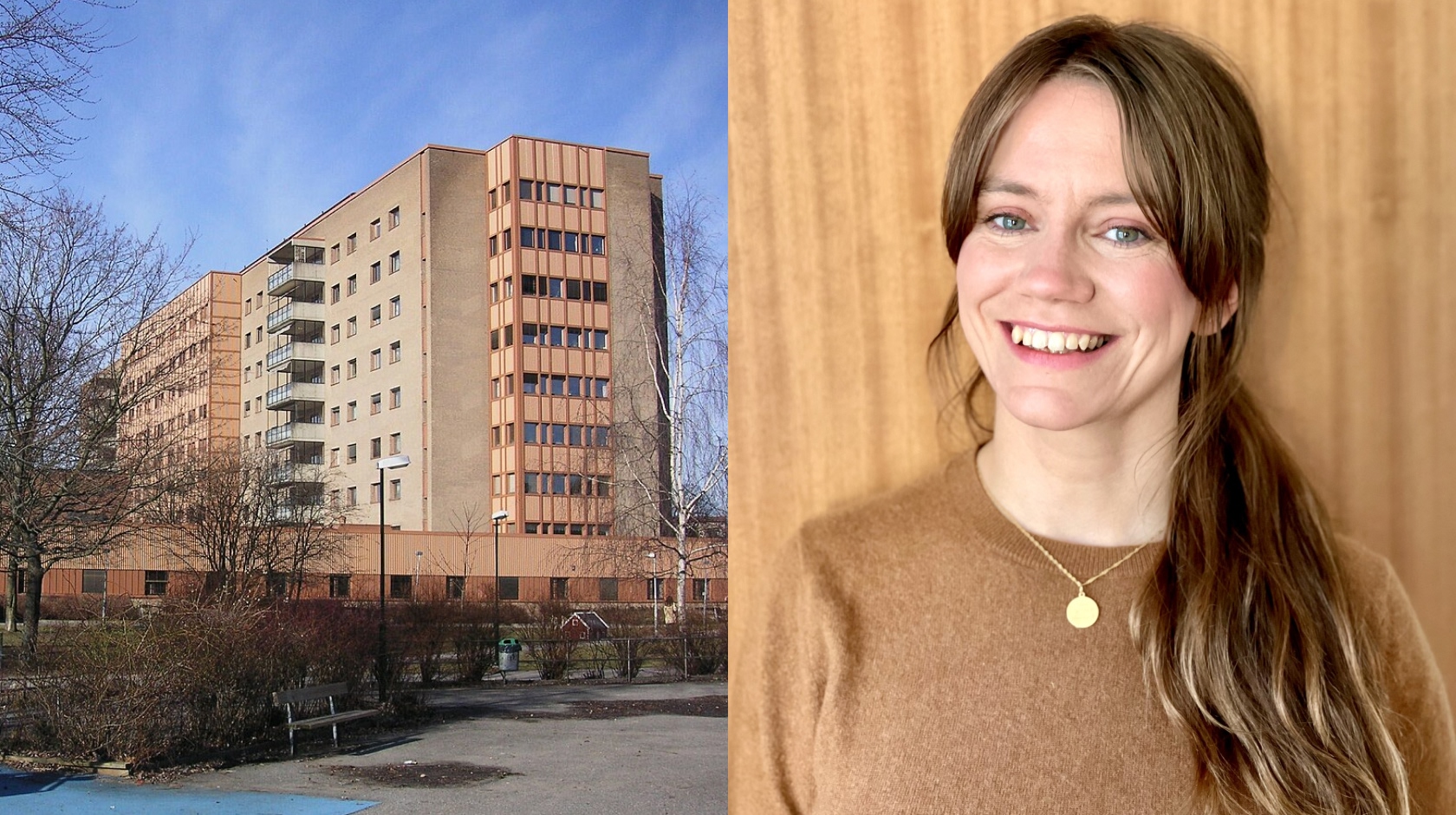
Sara Westerberg is a Nurse Specialist in palliative care working in advanced home care. Her role focuses on supporting patients and families during the final phase of life, helping them maintain the best possible quality of life through medical treatment, guidance, and conversation.
As Sara explains, much of her work centers around meeting patients where they are and helping them navigate this difficult stage of life.
“That's what I do all day, meet people where they are in their life at that moment and guide them with conversation, medicine and care.”
In palliative care, communication is more than simply sharing medical information. It is about understanding a patient’s fears, values, and personal wishes as they face the final stage of life.
Sara explains that meaningful care requires much more than delivering instructions or clinical updates.
“You need to not only transfer information but you also need to understand the patient and the family and where they are at that moment. Because every individual is unique and have their unique problems, unique pain and unique suffering.”
When patients and healthcare professionals do not share the same language, these conversations become far more difficult. And while interpreters are sometimes available for structured medical discussions, many of the most important conversations happen informally during daily care. These discussions often involve deeply personal questions.
“How do you feel when you're in pain? What are you scared of? Do you understand what this pain means to you?”
Even in a shared language, these conversations require time, trust, and emotional presence. Adding a language barrier can make the situation even more challenging.
“It's hard to sit down and to take time as it is. And also adding that you don't speak the same languages, it can be frustrating and sad.”
Language barriers may also prevent patients from fully expressing themselves. Some patients hesitate to ask for interpreters or feel uncomfortable sharing sensitive information through a third person. As a result, important conversations may become shorter or less meaningful than they should be.
Sara describes the difference clearly:
“A conversation that's over in three minutes should in reality maybe take 30 minutes. Because I know what can happen when it's really good.”
To address these challenges, the team at Dalen Hospital collaborated with Care to Translate on the project “Making final conversations understood.” Healthcare professionals from advanced home care and hospice settings worked together to identify phrases that are particularly important in palliative care.
Unlike many clinical interactions, palliative care conversations often include sensitive topics such as illness progression, fears, and end-of-life wishes.
“We wanted to address more than just ‘are you in pain’ or ‘are you hungry’.”
Instead, the team focused on enabling deeper conversations between patients and caregivers.
“We wanted to ask ‘how do you feel about this?’ and ‘where do you want to be when you die?’”
The team developed a specialized phrase library designed specifically for palliative care. These phrases were carefully written to reflect the tone and sensitivity required in end-of-life conversations.
The project also addressed another common issue: information can sometimes be filtered when relayed through interpreters or family members.
“There are a lot of times where the right information doesn't get through.”
With Care to Translate, clinicians could communicate directly with patients using verified medical phrases and real-time voice translation.
The project began with a small pilot group of clinicians who tested the tool in both hospice and advanced home care settings. Staff used two main features:
Sara highlights the importance of being able to trust the medical accuracy of what is being translated.
“It feels good knowing that what is coming out of my speaker on the phone is exactly what I want to tell the patient.”

Patients responded positively when clinicians made an effort to communicate directly in their language. Many expressed appreciation simply for being understood.
“They felt happy and they felt grateful.”
Even small improvements in communication made a noticeable difference.
“I know that we received and gave more information with the app than without it.”
One of the most valuable outcomes was the ability to better understand what patients actually wanted during their care.
“When I use the app, I can actually find out what they want.”
In many cases, this meant discovering preferences or concerns that might otherwise have remained unclear.
At first, some clinicians were hesitant to use technology in such sensitive situations. However, once they began using the tool, confidence quickly grew.
“You just have to practice a little bit on your own.”
After trying the tool, many staff members were eager to continue using it.
“Every time someone tried it, they wanted to keep use it.”
Some people worry that technology might make conversations feel less personal. In practice, the opposite often happened. According to Sara, avoiding conversation because of language barriers is far more impersonal than using a tool to communicate.
“It's more impersonal to not speak and not ask a person what they want.”
What mattered most was showing patients that their voice and language were valued.
“To show the person that they're important to you and that their understanding and their language is important.”
Language barriers can prevent patients from expressing some of the most important thoughts and wishes during the final stage of life. The project at Dalen Hospital shows how digital translation tools can help bridge this gap.
By combining medically verified phrases with real-time translation, healthcare professionals can hold more meaningful conversations, even when they do not share a common language with their patients.
Curious about how digital translation can support communication in your care setting? Get in touch to explore how you can trial our medical translator in your practice.
Or learn more about the project here.
SE WEBBINARIET
Boka en demo, be om referenser eller få mer information om våra medicinska översättningar. Fyll i formuläret eller ring oss direkt.