
2026-06-03
Blog
Thoughts on actual implementation in real clinical workflows from our CEO, Maja Magnusson.
As CEO of Care to Translate, I spend a lot of time talking about the capabilities of our technology. But there is a massive difference between how software is designed in a meeting room and how it is actually used on the ward.
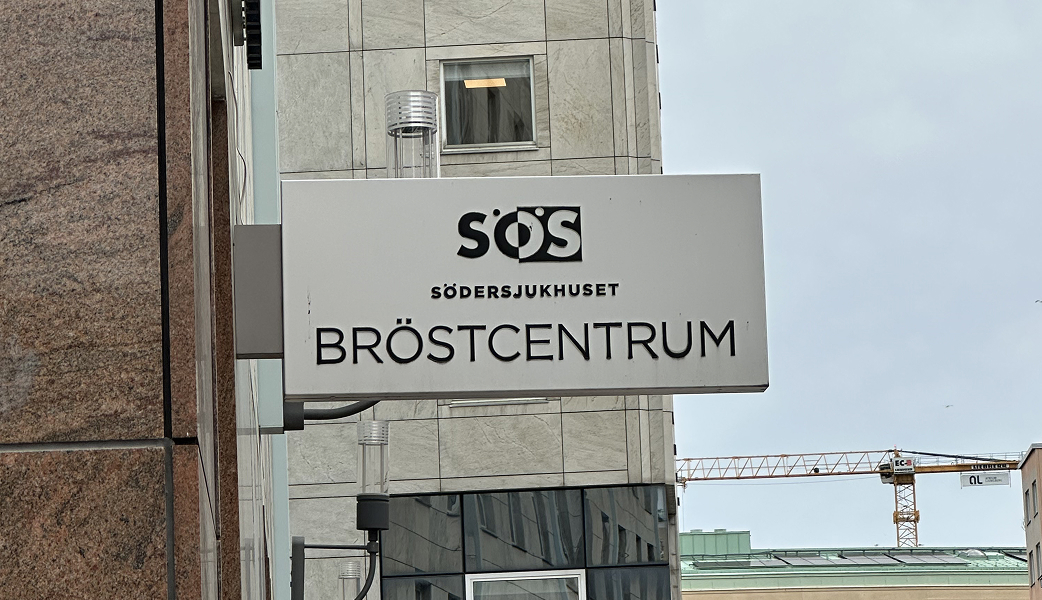
To bridge that gap, I recently joined our team for an on-site visit at a busy mammography clinic. Our goal was simple: we wanted to step away from controlled demo environments and observe our product exactly where it belongs – in real clinical settings.
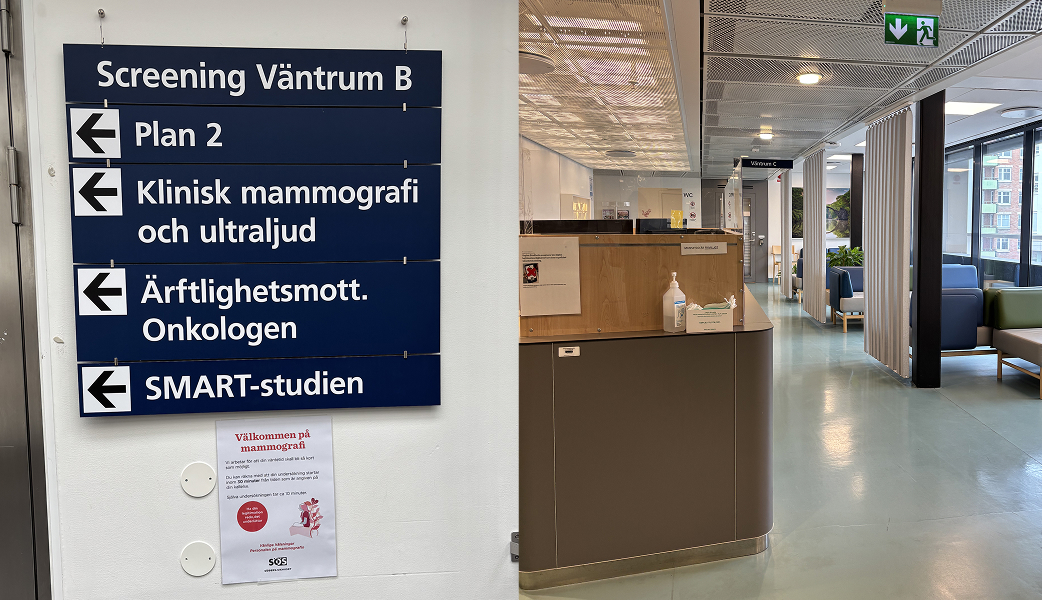
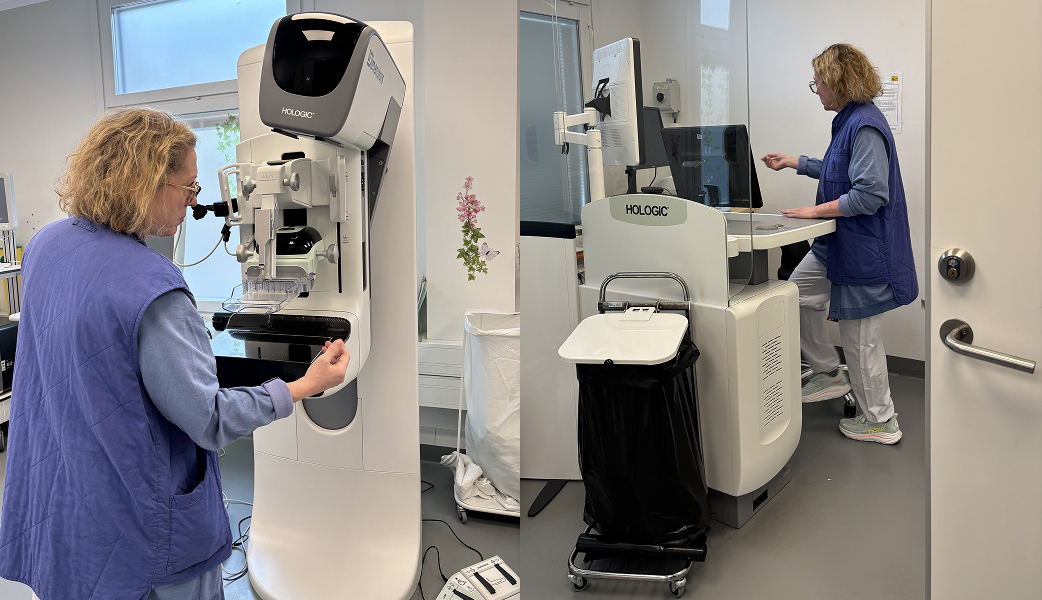
We shadowed the staff in the corridors, inside the examination rooms, and amidst the fast-moving reality of everyday patient care. Observing the product in action reminded me of a fundamental truth in healthcare IT: implementing new technology is never just about the software. It’s about people, routines, clinical confidence, and finding exactly what works in the moment.
During our visit, I watched staff members use the exact same tool (our medical translation app) in entirely different ways to fit their personal clinical workflows.
The most revealing moment of our visit happened when we met a doctor who genuinely wanted to use the app, but was visibly frustrated.
"It just gets everything wrong," he told me. "It turns into gibberish."

When I asked him to show us exactly how he was using it in the clinic, the root cause became instantly clear. He was holding his phone right up to his mouth like an old-school dictaphone, speaking incredibly fast, using highly complex medical jargon, and hitting "translate" before verifying that the speech had been transcribed correctly.
The issue was not the application. It was the workflow.
Together, standing right there in the ward, we walked through a few minor adjustments:
He tried again. This time, it worked flawlessly.
A few minutes later, as we were leaving the department, another colleague walked past. The same doctor who had just told us the app was broken called out down the corridor:
"Have you tried that translation app? It’s really good!"
That brief interaction captured the entire lesson of our on-site visit, and it reinforces a core philosophy we hold at Care to Translate.
Introducing technology into a hospital or clinic is not just about selling a product or making an app available on a device. It is about helping different people figure out how it fits into their specific clinical reality.
Some users will type. Some will rely on validated phrase lists. Some will use live translation effortlessly from day one. And some will need three minutes of human support to turn their frustration into confidence.
That is where real implementation happens. It doesn't happen in launch plans, slide decks, or IT training manuals. It happens in the everyday, high-pressure moments between patients, when someone admits, "I want to use this, but it doesn’t work for me," and someone else takes the time to say, "Show me how you’re doing it."
Because most of the time, the technology is already ready. The workflow just needs to catch up.
If you’re interested in learning more about how we can help bridge the gap between technology and workflow in your clinic, please don’t hesitate to contact us.
/Maja Magnusson
CEO at Care to Translate