
Doctors of the World Netherlands uses Care to Translate to communicate safely and effectively with patients who face language barriers. With validated medical phrases and GDPR-safe live translation, the tool helps staff deliver clearer communication, reduce risk, save valuable time, and offer more accessible and equitable care to marginalized groups.
Organisation: Doctors of the World Netherlands (Dokters van de Wereld)
Country: Netherlands
Setting: Humanitarian clinics, mobile units, and outreach for marginalized groups
Challenge: Overcoming interpreter shortages and the privacy risks of using non-compliant tools
Key outcomes:
Doctors of the World Netherlands (Dokters van de Wereld) is part of an international humanitarian network operating in over 70 countries. In the Netherlands, the NGO provides essential medical, psychosocial, and public health services for people who often fall through the gaps of the healthcare system – including undocumented migrants, asylum seekers, refugees, labor migrants, people experiencing homelessness, and individuals with financial hardship.
The organization runs regular clinics, mobile clinics, walk-in centers, group interventions, and a national healthcare help desk, supported by 50 staff members and more than 300 volunteer healthcare professionals.
Their missions are grounded in medical activism, social justice, and independence, ensuring that no one is excluded from care due to background, legal status, or language.
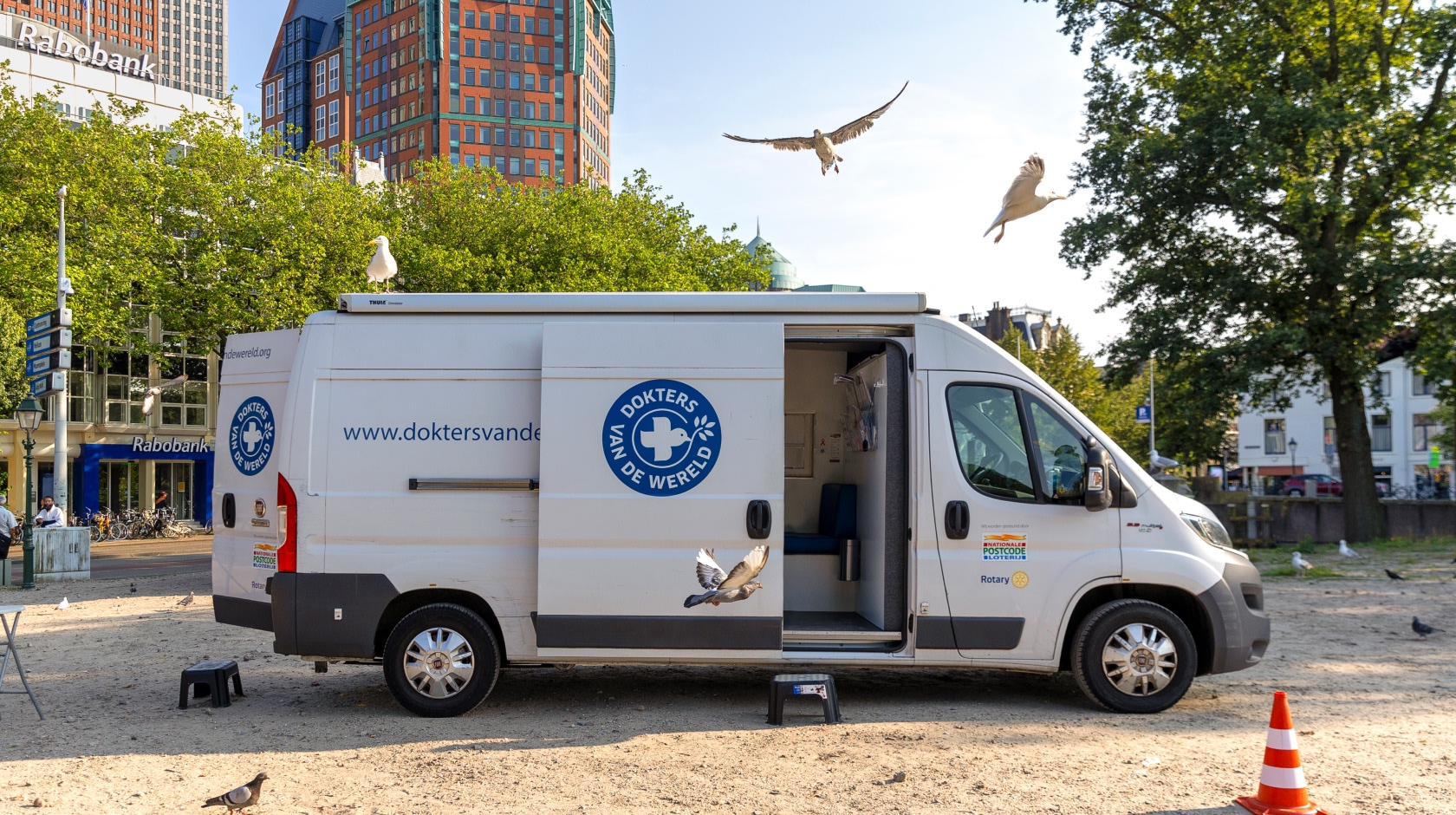
Language barriers significantly hinder access to healthcare for the populations Doctors of the World serves. Many patients speak little or no Dutch, and interpreter shortages make communication difficult, especially in urgent or sensitive situations.
Healthcare staff across the Netherlands often underestimate the risks of communication without proper tools. Heleen Koudijs is the Manager of Domestic Programs and MedCo at Doctors of the World Netherlands, overseeing national health initiatives and volunteer-led clinics that support marginalized groups. She works to ensure that language barriers never prevent vulnerable patients from accessing safe, equitable care, and she has managed the project of introducing Care to Translate into the organization.
“There is still a lack of awareness” explains Heleen. “There’s a lot of people who think that with some hand and footwork and simple sentences you can address a patient.”
As a result, volunteers and clinicians frequently relied on Google Translate, family members, or cultural mediators, even when these were not safe or appropriate:
“We saw that people were using a lot of Google Translate and we were worried about the data and what they [the tech companies] are doing with data.”
Even when staff wanted to use interpreters, they were often unavailable:
“There’s also a lack of availability of interpreters”, explains Heleen. “People are struggling to get help and overcome that language barrier effectively.”
Many marginalized patients fear how their data might be used. This makes non-compliant tools a risk:
“We have so many clients who are worried about their safety and their privacy.”
Doctors of the World needed a validated, GDPR-safe, and clinically reliable solution that could be used instantly across clinics and mobile units, without depending on interpreters or unsafe consumer translation apps.
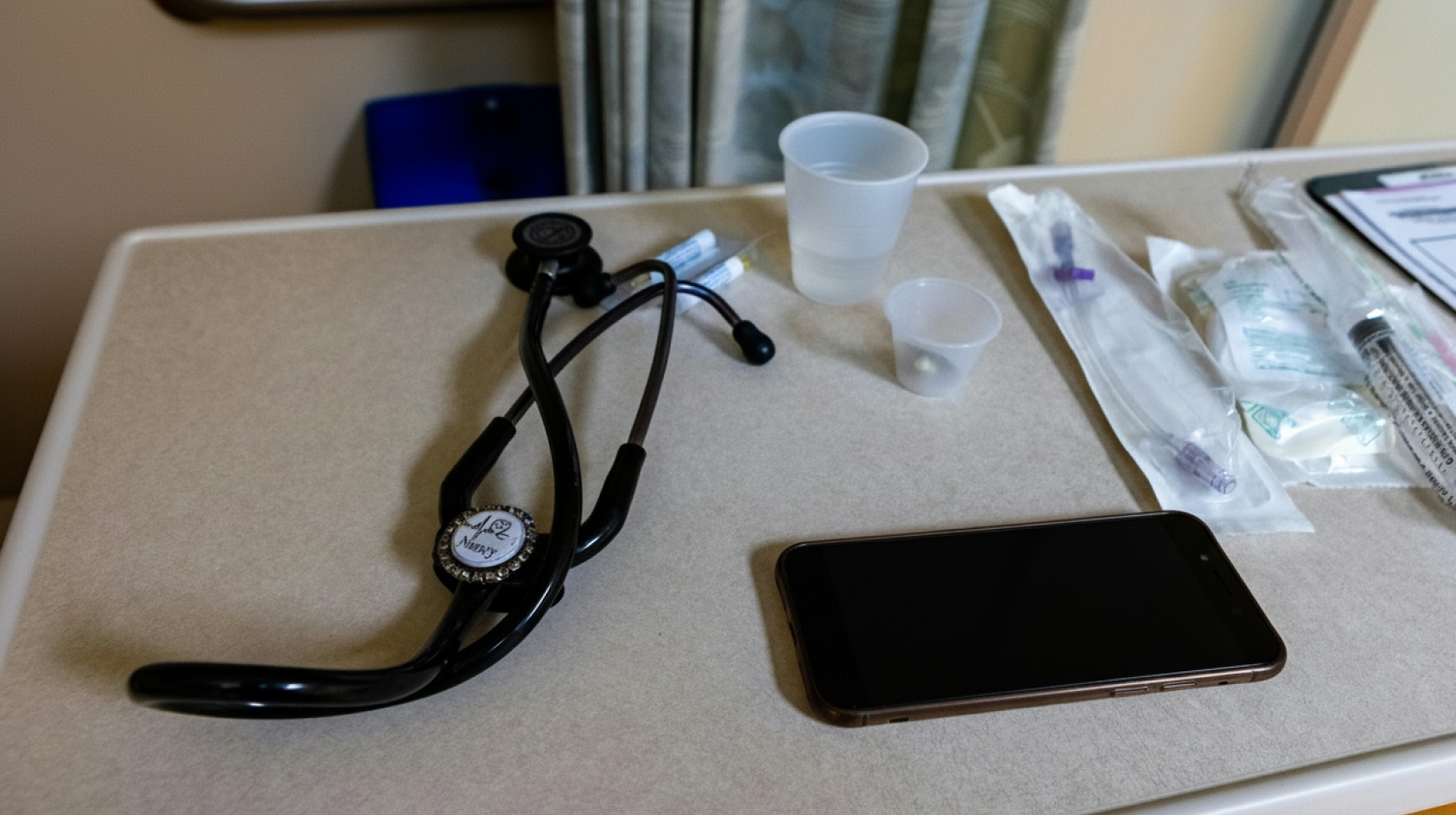
Care to Translate’s medically validated phrase library became essential for day-to-day consultations:
“It becomes a lot easier, even for the simpler questions and the more practical aspects, to make sure that also that information gets across quite well.”
Staff use the app to ask medical history questions, conduct triage in mobile clinics, explain procedures, and give instructions – all without compromising patient safety or clarity.
The introduction of real-time translation significantly boosted adoption within the organization:
“People were super enthusiastic when they learned that you can also translate live. We’ve seen great enthusiasm within our organization.”
This gives clinicians the flexibility of free conversation with privacy-protected, warning-enabled AI translations – avoiding the risks of commercial machine translation tools.
Care to Translate supports languages that are nearly impossible to source in the Netherlands:
“Kurmanji is known to be very hard to find a translator for, and people are super happy if they can hear or read something in their own language.”
This directly reduces delays, missed appointments, and unsafe improvisation.
With more than 300 volunteer healthcare professionals, the NGO required a tool that was easy to use and accessible on any device:
“We see that everybody, all our volunteers, are able to use the app.”
This makes the tool usable in:
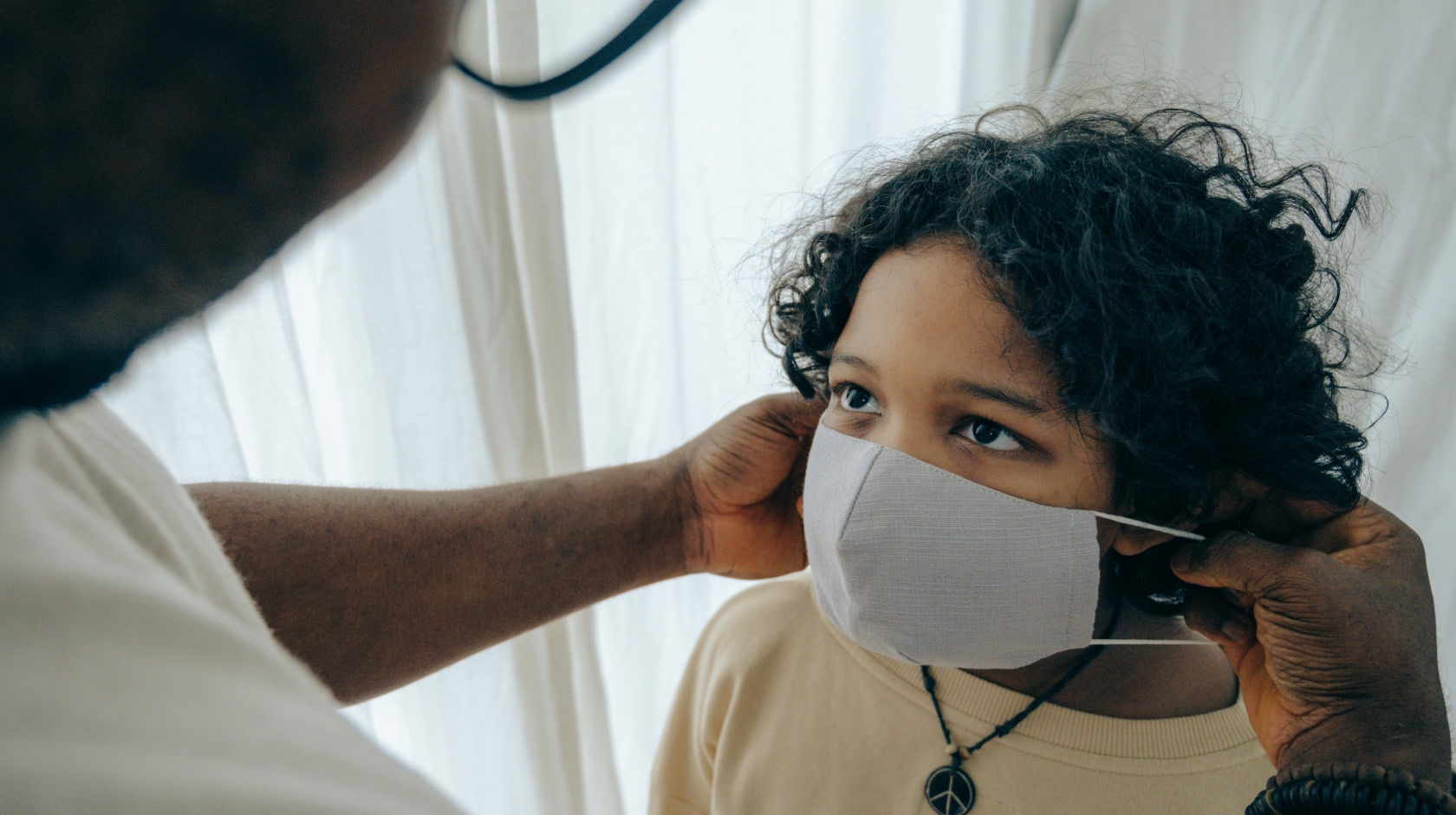
By replacing unvalidated, risky tools with a medically verified solution, staff reduce the likelihood of errors, misunderstandings, and unsafe improvisation.
“There’s just no excuse to not offer the best possible health care” Heleen emphasizes. “Language barriers are a mechanical problem and we have to overcome it.”
Care to Translate reduces time spent managing communication obstacles, waiting for interpreters, or troubleshooting unclear exchanges – which means:
These time savings translate directly to lower operational costs and more consultations per shift.
The NGO replaced Google Translate and other unsafe tools with a GDPR-safe alternative essential for populations afraid of data misuse.
“We were worried about data, and what Google Translate's incentive is to actually offer these services.”
Patients feel safer and more respected when spoken to in their own language:
“People are super happy that they can read something in their own language.”
This builds trust, which is critical for marginalized populations who often delay or avoid seeking care.
Doctors of the World now incorporates digital translation into a structured interpretation strategy:
“Different solutions combined make sure that your patient gets the best possible care.”
This supports consistent decision-making across hundreds of volunteers.
If you’d like to explore how Care to Translate can support your organization – whether in community health, NGOs, outreach programs, mobile services, or primary care – we’d be happy to help.
Get in touch to arrange a trial, demo, or consultation.
Watch the WEBINAR

Book a demo, ask for references or get more information about our medical translations. Fill out the form or call us directly.