
Tranemo kommun introduced Care to Translate to address long-standing communication challenges across elderly care, home services, social services, and disability support. By starting with a high-need unit and scaling quickly, the municipality saw immediate improvements in daily routines, reduced misunderstandings, increased safety, and a more inclusive work environment.
Organisation: Tranemo kommun (Municipality)
Country: Sweden
Setting: Elderly care, dementia units, home services, and social services
Challenge: Growing linguistic diversity and elderly residents reverting to mother tongues
Key outcomes:
Tranemo kommun is a municipality in Västra Götalands län, Sweden. With a broad mandate covering elderly care, LSS, social services, and community support, the municipality faces growing demographic pressures, increasing linguistic diversity among both residents and staff, and the need to deliver high-quality services efficiently.
Tord Rydin Johnsson, Digitization Strategist at Tranemo kommun, leads long-term digital strategy and implementation across the social care sector:
“I build strategies that are to last five years in the future. We look at the different challenges we have in our organization and try to meet them with digital solutions, due to both costs but also the added demographic challenge.”
His work focuses on enabling staff with tools that save time, increase safety, and improve the everyday experience for residents.
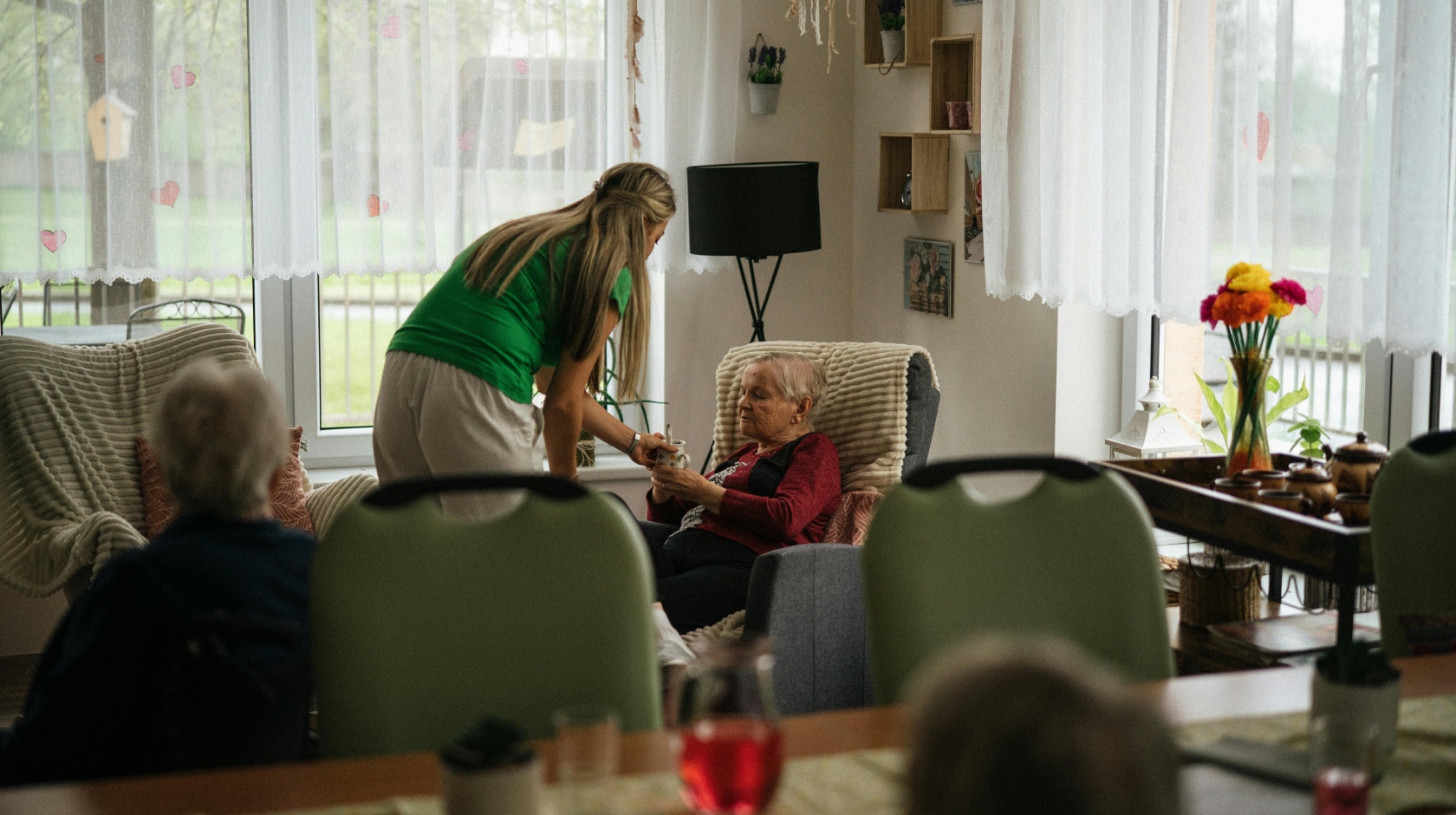
Tranemo faced clear, growing communication challenges across multiple care environments.
These challenges affected both care recipients and staff:
“Language barriers have often led to misunderstandings. And from that, stress and ineffective communication has arisen.”
Many elderly residents revert to their mother tongue when they age or get dementia:
“When you get older, you fall back to your mother tongue. It’s second nature”
Tranemo had attempted to use språkombud (language support staff), but:
“It has been difficult to really make it work. You have to get hold of a language representative at a certain time, and at night for example, they don't work.”
Without proper tools, staff risked incomplete information, failed instructions, or delays – all of which affect safety, time, and quality of care.
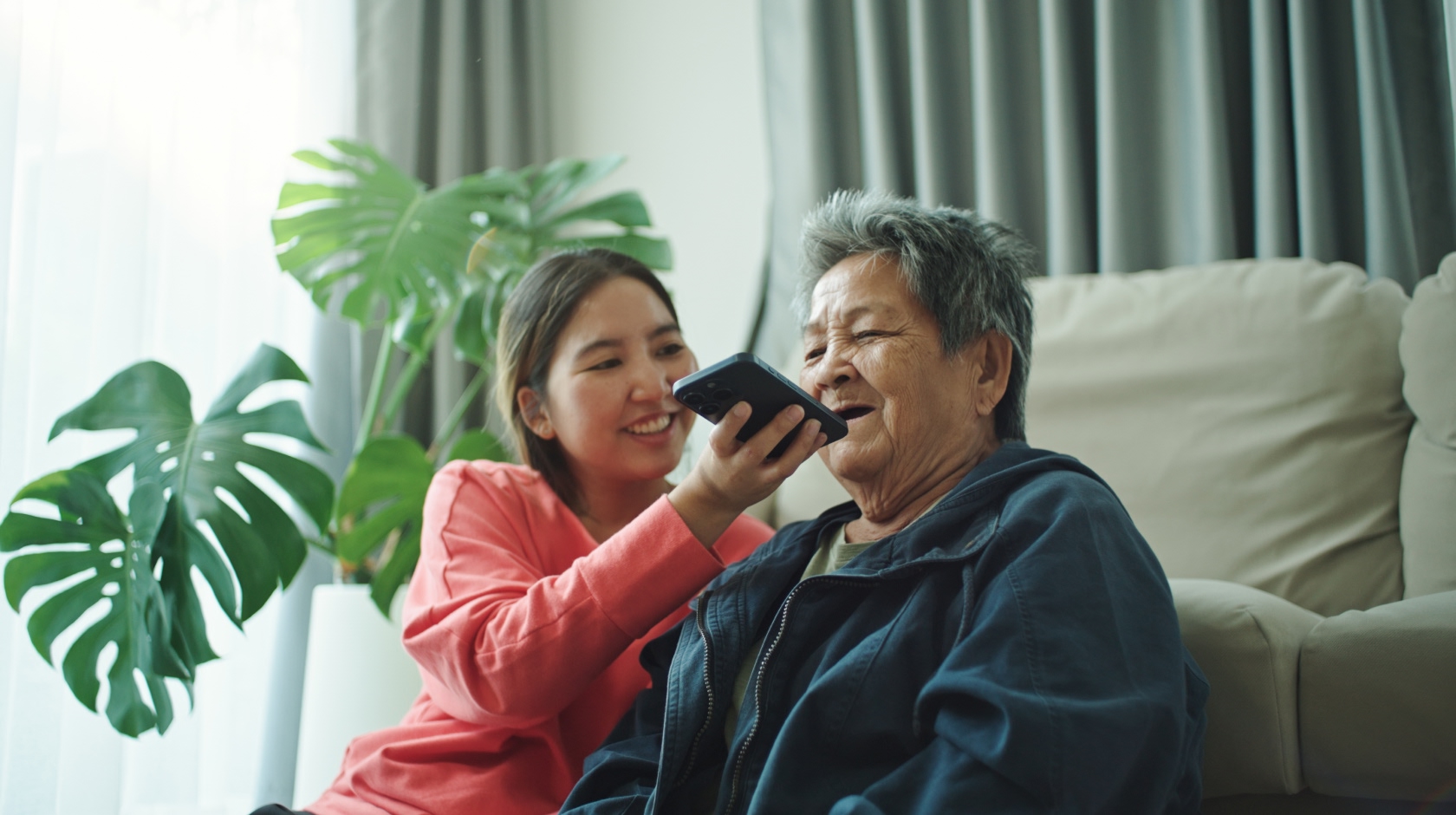
The first implementation began in a dementia unit:
“We started where we saw the greatest need, and that was at the dementia unit. And it gave a lot.”
Staff quickly saw improvements:
“It dampened the need and it became much calmer for the staff. Then we let the results speak for themselves… We needed to get started and start getting small improvements. If we could just solve 10% of the communication confusion that would make a big difference.”
Within days of implementation, staff began using Care to Translate in daily routines:
“The staff adopted the tool very quickly. And the need was suddenly greater than we had first imagined.”
Interest spread organically:
“It only took two weeks really… Then other parts of the organization started telling us that ‘we too have this problem, we also want this phrase library’”
The tool also strengthened internal communication and workplace inclusion:
“The app has become a part of entering the community for those with a foreign background who have difficulty with the Swedish language.”
Tranemo’s teams created tailored phrase lists:
“Our care supervisors began generating and producing different lists based on the care recipients’ needs and the staff’s needs. What do we talk about with our care recipients, and what do we need to know?”
Live Translate provided flexibility when no predefined phrase existed.
Staff used Care to Translate for:
Tord explained why immediate communication matters in social services:
“Today, we can provide support right when someone needs it, without using a telephone interpreter… You get much faster interventions.”
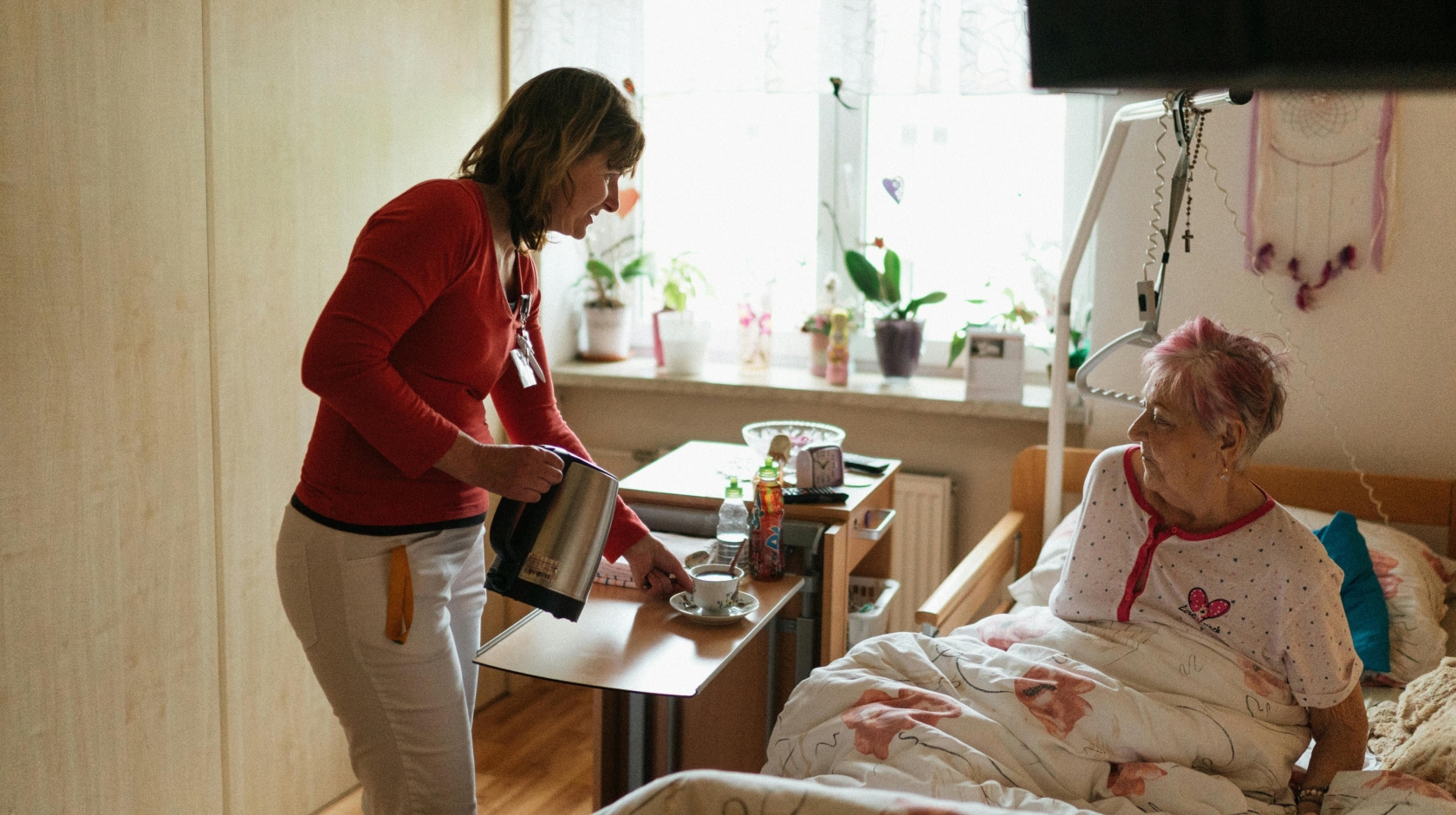
The tool reduced communication friction, improved pace, and supported smoother documentation:
“The communication is more efficient and leads to faster intervention, better documentation and less frustration.”
Clear communication reduces risks in care environments:
“We can see that there are fewer misunderstandings and a smoother workflow.”
The app helped multilingual staff integrate more easily and lowered stress:
“It has become a part of entering the community. The app provides a good sense of security.”
Tord highlighted the broader societal impact:
“It shows that we value every individual, that people have the right to be understood. And it strengthens the municipality's work with equality and accessibility.”
Tord’s advice for other municipalities:
“Start where the need is greatest, and let the results speak for themselves. Take it step by step.”
If you’re interested in exploring how Care to Translate can support communication, safety, and efficiency in your municipality, get in touch to arrange a trial or demo.
Watch the WEBINAR

Book a demo, ask for references or get more information about our medical translations. Fill out the form or call us directly.