
Universitätsklinikum des Saarlandes replaced unreliable ad-hoc translation methods with a structured medical app to ensure clinical accuracy and patient safety. This transition from "guesswork" to standardized phrases significantly improved communication and confidence for both staff and international patients.
Organisation: Universitätsklinikum des Saarlandes (UKS)
Country: Germany
Setting: Hemophilia
Challenge: Language barriers in everyday patient interactions
Key outcomes:
Universitätsklinikum des Saarlandes (UKS) is a major university hospital in Germany providing specialized care across multiple disciplines.
In departments treating patients with hemophilia and thrombophilia, healthcare professionals regularly encounter patients who do not speak German. To explore ways to improve communication in these situations, UKS piloted the Care to Translate app in collaboration with Bayer. The goal was to evaluate whether a structured communication tool could support staff during everyday patient interactions.
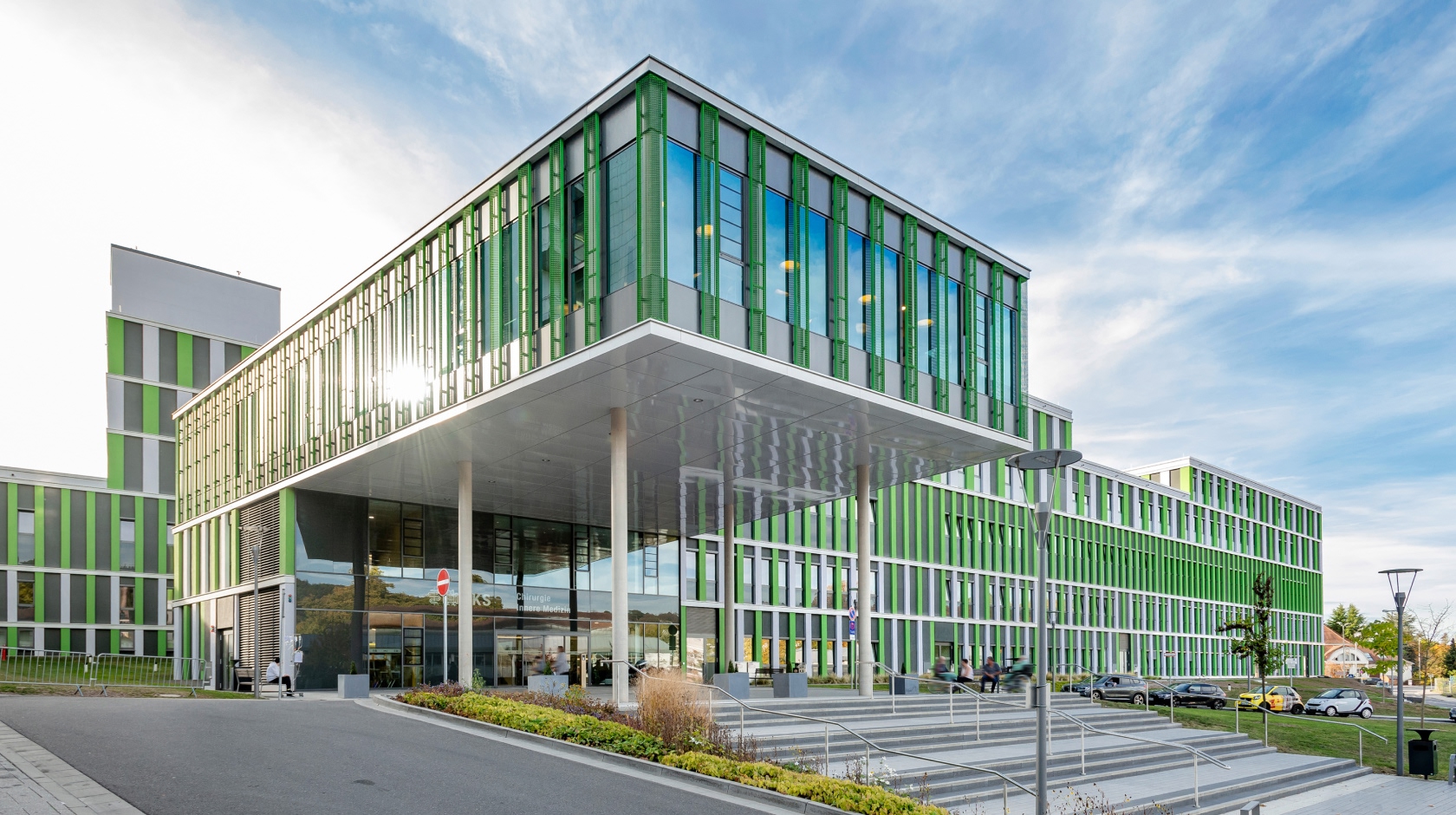
At UKS, language barriers occur frequently in daily clinical work. Healthcare staff involved in the pilot reported encountering patients with limited German two to three times per week. Many of these patients speak languages such as Arabic or Ukrainian and even when patients speak some German, it is often not sufficient for medical conversations.
“Sometimes patients speak some German, but not enough when it comes to medical topics” says Andreas Hoppstädter, Deputy Head of the Outpatient Department.
Before testing Care to Translate, staff relied on informal solutions such as:
These solutions could help in basic situations but often fell short when medical information needed to be communicated clearly.
“Google works to arrange an appointment. But everything beyond that becomes difficult.”
Another common situation occurs when relatives translate for patients. In some cases, husbands translate for their wives during consultations. While this can help facilitate communication, healthcare professionals are not always certain whether information is fully or accurately conveyed.
“Sometimes I have the impression that only half of the information is passed on.”
In addition, relatives can only translate what they themselves understand, which may create additional misunderstandings.
These situations highlight the importance of direct communication between healthcare staff and patients.
During the hospital’s internal evaluation, staff tested several translation solutions. According to Andreas, Care to Translate clearly stood out.
“Care to Translate was the only one that fulfilled what we needed.”
One of the main advantages was the structured phrase library, organized by clinical topics. This allowed healthcare staff to quickly find relevant phrases for specific situations during patient interactions.
Another key advantage was the simple, patient-friendly language used in the phrases. Healthcare professionals noted that medical staff often unintentionally use complex medical terminology. So using standardized phrases written in clear language helped make communication easier for patients to understand.
During the pilot, Care to Translate was mainly used in structured conversations, especially during patient admission. Including:
Because these conversations follow a predictable structure, the app’s topic-based phrases worked particularly well.
Staff typically selected relevant phrases and played them for the patient. And patients reacted positively when they realized that communication suddenly became easier. Andreas explains:
“Patients were pleased when they noticed that communication suddenly worked better.”
While the pilot feedback was positive, staff also highlighted practical considerations for broader implementation.
One challenge is the limited availability of mobile devices such as tablets. Using the app directly with patients is easier when staff can bring a device with them.
The hospital is currently undergoing a broader digital transformation, including the gradual introduction of electronic patient records and more digital workflows. As these systems are introduced, digital communication tools may become easier to integrate into everyday clinical practice.
The pilot demonstrated that Care to Translate can support healthcare professionals when communicating with patients who do not speak the local language.
Staff highlighted several benefits:
The hospital is now discussing potential next steps, including the possibility of broader implementation across the organization.
Book a demo, ask for references or get more information about our medical translations. Fill out the form or call us directly.