
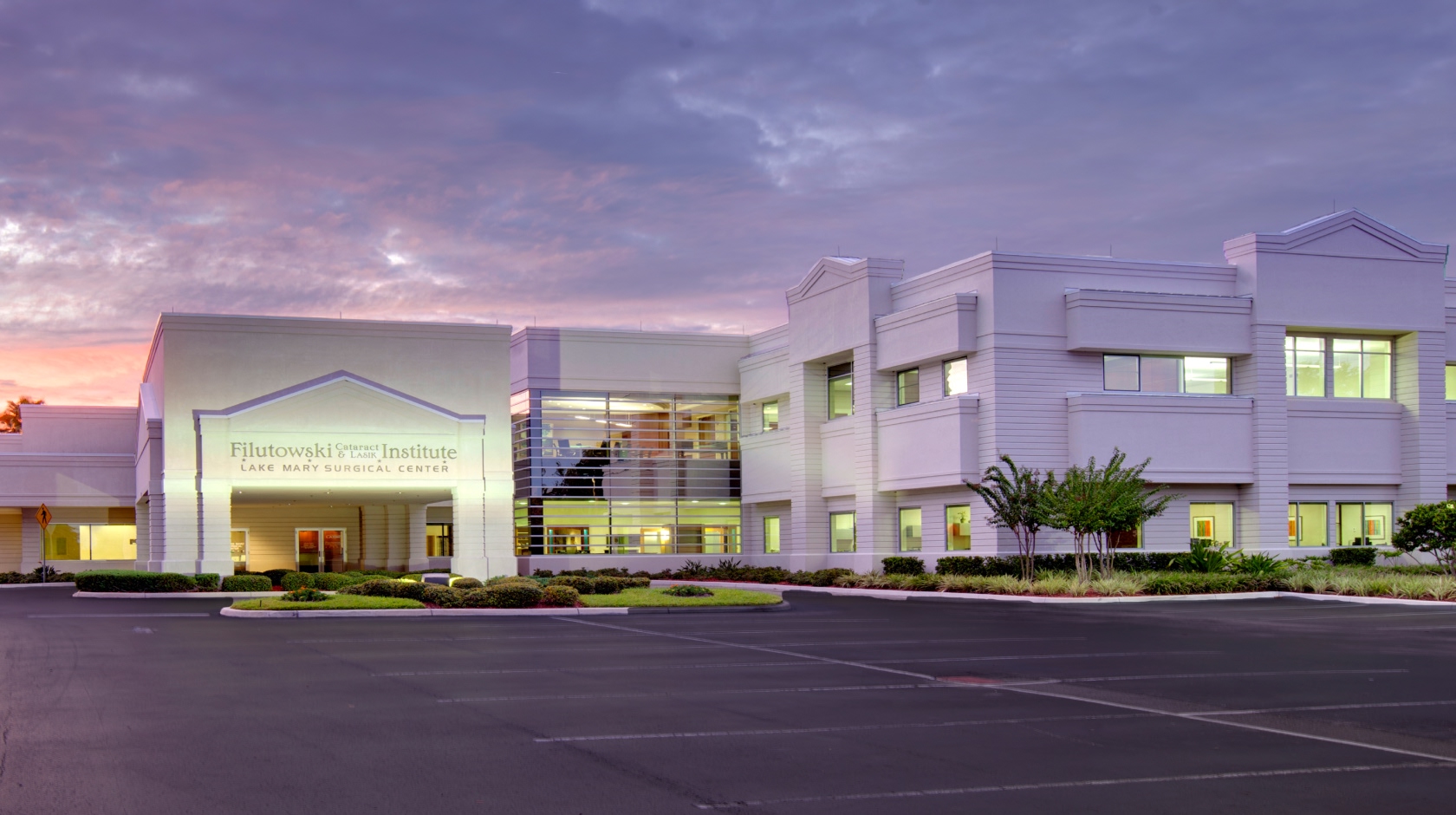
Filutowski Eye Institute uses Care to Translate to streamline patient flow and ensure medical accuracy in surgical eye care. By replacing generic translation apps and third-party interpreters with a specialized medical tool, the practice has reduced appointment times and eliminated the risk of misinterpretation.
Organisation: Filutowski Eye Institute
Country: USA
Setting: Surgical ophthalmology
Challenge: Explaining complex surgical diagnoses and procedures without the delays or inaccuracies
Key outcomes:
Filutowski Eye Institute is a leading multi-location ophthalmology practice in Central Florida, specializing in advanced vision correction and surgical eye care. For over 30 years, they have provided world-class care, including LASIK and cataract surgery.
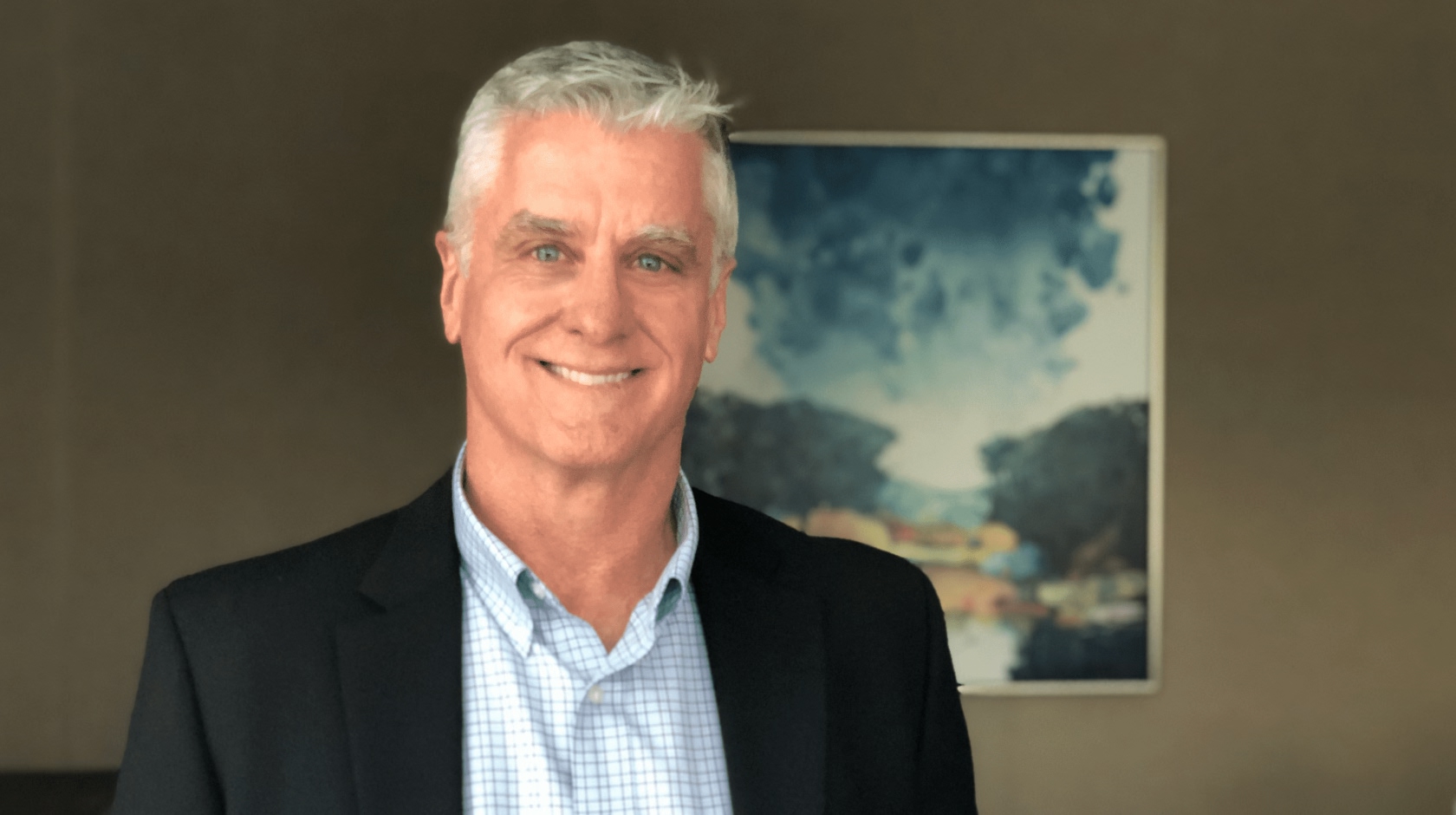
James Toler, Director of Marketing & Sales, oversees the patient experience across the institute’s locations, ensuring that every patient receives clear, high-quality communication regardless of their native language.
In a high-volume surgical practice, clarity is critical. Filutowski Eye Institute needed to explain complex diagnoses, surgical procedures, and treatment options to non-English-speaking patients without delaying the clinical workflow.
Previously, staff attempted to use generic tools like Google Translate, but the results were inconsistent. As James explains, the limitations were clear:
"Many apps were slow, limited to text-only translation, or struggled with medical terminology and nuanced explanations."
The practice faced three core challenges with their existing methods:
The institute needed a solution that was fast, medically accurate, and capable of functioning smoothly in a clinical setting.
After testing multiple options, the choice fell on Care to Translate because it was explicitly designed for healthcare environments.
James highlights the ease of the transition:
“Implementation was straightforward. The app is intuitive and easy to navigate, allowing staff to begin using it almost immediately.”
So in general, how does James summarize the value for the clinic?
“More accurate, direct communication with patients, eliminating ‘lost in translation’ moments common with human interpreters.”
Curious about how specialized translation can streamline flow in your clinic? Cases like Filutowski Eye Institute show that moving away from generic apps to a medical-grade solution leads to faster visits and safer care.
Get in touch to explore how you can trial our medical translator in your practice.
Book a demo, ask for references or get more information about our medical translations. Fill out the form or call us directly.