
2026-09-17
Blogg
How digital language support can help healthcare professionals communicate with families facing paediatric heart surgery – and what an ongoing study at Oslo University Hospital aims to uncover.
Few conversations in healthcare carry more weight than those with parents whose child is about to undergo heart surgery.
Risks need to be explained. Questions need to be answered. Decisions need to be understood. For families, fear, hope and uncertainty can all exist in the same moment. And when families and healthcare professionals do not share the same language, an already difficult situation can become even more challenging.
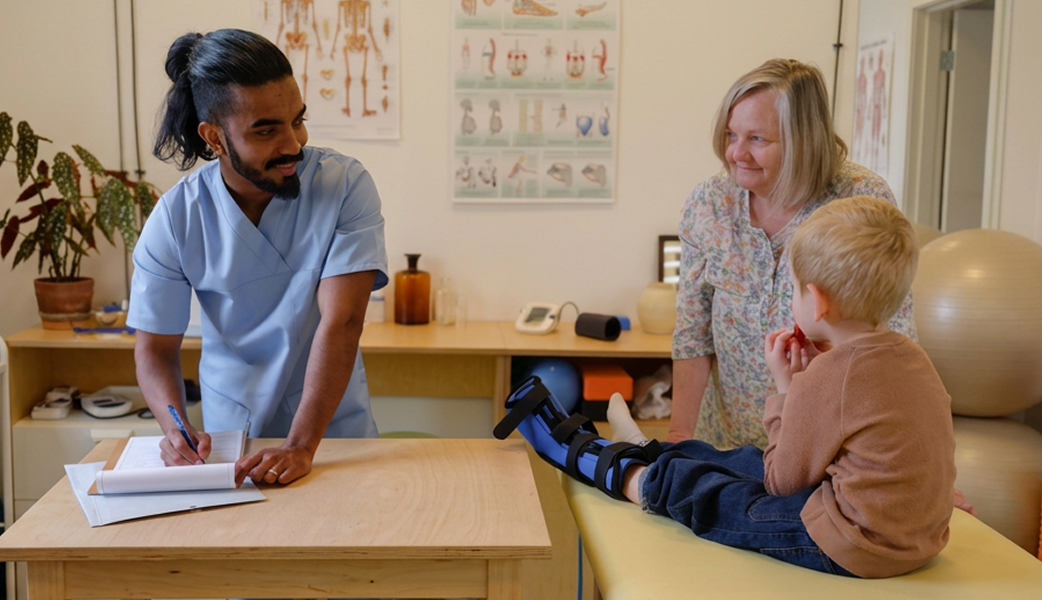
At Oslo University Hospital, researchers are now studying how digital language support can support communication with paediatric patients from linguistic minorities and their families in advanced thoracic care. Care to Translate is being used as part of the ongoing study.
At its heart is a fundamental question: how can healthcare help families understand – and be understood – when communication matters most?
Paediatric heart surgery involves highly specialised care, complex medical information and, often, rapidly changing situations.
For families who do not speak the majority language fluently, understanding medical terminology, care pathways and decisions can be particularly challenging. A language barrier can make it harder to ask questions, express concerns and participate in conversations about a child's care.
Language support in these situations is therefore about more than translating words. It can help create the conditions for understanding, participation and trust between families and healthcare professionals.
For a parent, being able to ask a question and understand the answer can make a significant difference in an already overwhelming situation.
Communication doesn't happen only during major decisions.
Families need information before surgery, throughout hospitalisation and during follow-up. They may need to understand what will happen next, prepare their child for a procedure, communicate pain or symptoms, or ask practical questions about everyday care.
Different situations also call for different forms of language support.
Professional interpreters have an important role, particularly in complex conversations and decisions. Digital language support can complement these services by giving healthcare professionals another way to communicate across language barriers in everyday, time-sensitive or unexpected situations.
The aim is not to replace human interaction. It is to make it easier for that interaction to happen.
Care to Translate is currently being used in an ongoing study at the Department of Cardiothoracic Surgery at Oslo University Hospital.
The study examines how digital language support affects communication between healthcare professionals and paediatric patients from linguistic minorities and their family members in the context of advanced thoracic surgery.
The research is conducted by a multidisciplinary team within thoracic and intensive care and is led by Irene Lie, Critical Care Nurse, PhD, FESC, Senior Researcher and Head of the Centre for Patient-Centered Heart and Lung Research at Oslo University Hospital and Professor II at the Norwegian University of Science and Technology (NTNU).
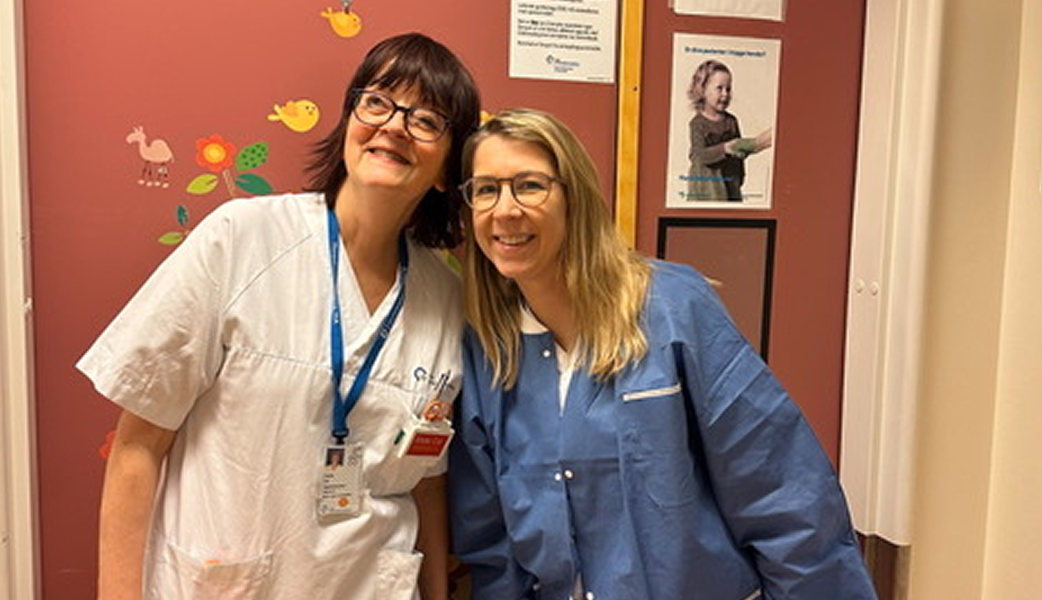
Lie has previously led research focusing on adult patients within cardiac and pulmonary care, where communication and patient experience were central themes. In that research, feeling safe and secure emerged as an important aspect of the patient experience, particularly in situations involving serious illness, complex treatment and considerable emotional strain.
The current study turns the focus towards children and their families. Here, communication extends beyond the patient to parents and relatives who are navigating the care journey alongside the child.
“When care is at its most advanced and situations are at their most vulnerable, trust becomes absolutely essential. For many patients and families, the ability to understand – and to be understood in their own language – is a fundamental prerequisite for feeling confidence in the care provided and in the decisions being made.” Irene Lie, Critical Care Nurse, PhD, FESC, Professor II, NTNU
The study seeks to deepen understanding of how digital language support can contribute to:
By combining clinical expertise with patient-centred research, the team aims to generate new knowledge about the role language and communication can play in quality and safety in highly specialised healthcare.
When a child undergoes heart surgery, communication rarely involves the child alone.
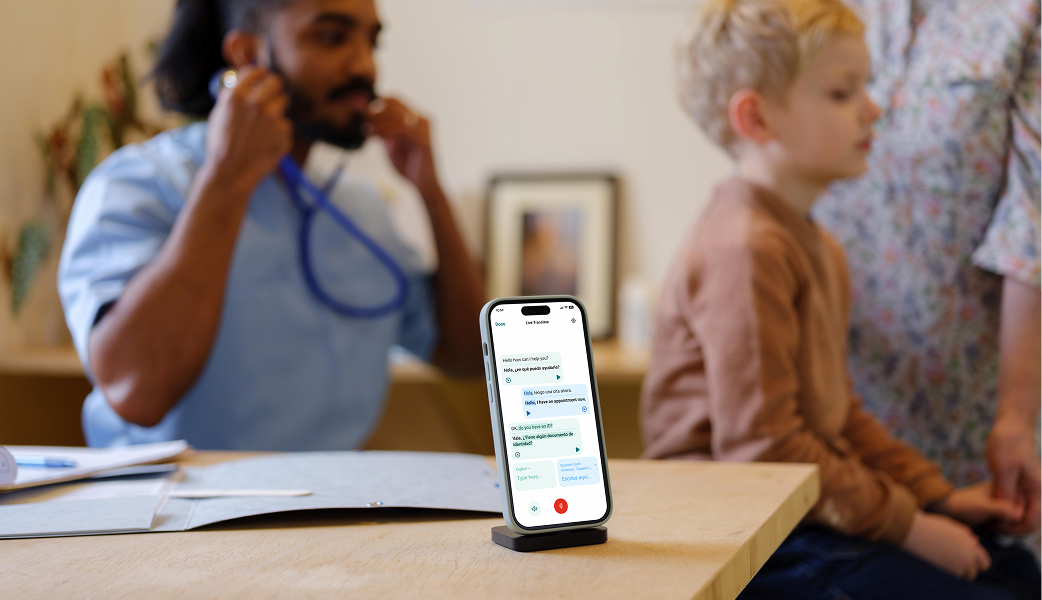
Parents and other family members are part of the care journey, each with their own questions, concerns and need for information. They may need to understand what is happening now, what will happen next and what they can do for their child.
When a language barrier exists, supporting communication with the family can therefore be just as important as supporting communication with the patient.
It's also a question of participation. Giving families ways to understand information, ask questions and express concerns helps create the conditions for them to be actively involved in their child's care.
Some of the most difficult conversations in healthcare happen at moments when families are already carrying an enormous emotional burden.
Language should not add another barrier.
Research such as the study at Oslo University Hospital can help build a better understanding of where digital language support can make a meaningful difference – and how it can work alongside healthcare professionals and professional interpreters to support families throughout the care journey.
Because when a child is facing heart surgery, being able to understand – and to be understood – matters.
Care to Translate helps healthcare professionals communicate across language barriers with medically verified phrases and real-time translation in 130+ languages.