
2025-12-15
Press release
A new WHO collaboration strengthens access to safe, equitable care for refugees and migrants facing language barriers.
Care to Translate has been added to the World Health Organization’s (WHO) supplier list, marking an important step in the shared effort to improve communication and access to healthcare for people facing language barriers. The collaboration begins with an initiative in Bulgaria, supporting healthcare professionals in delivering safe and effective care to refugees and migrants who do not speak Bulgarian.
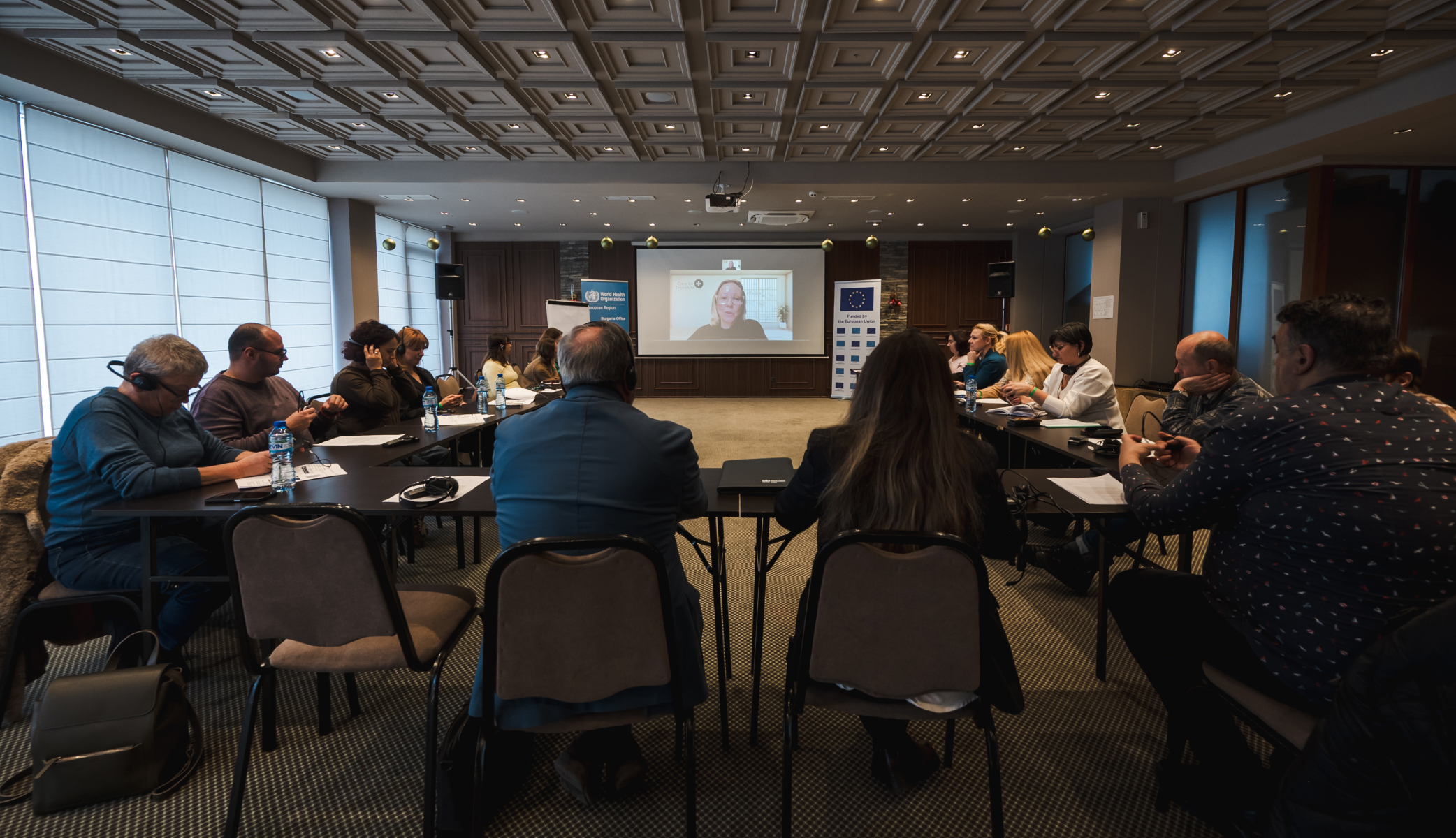
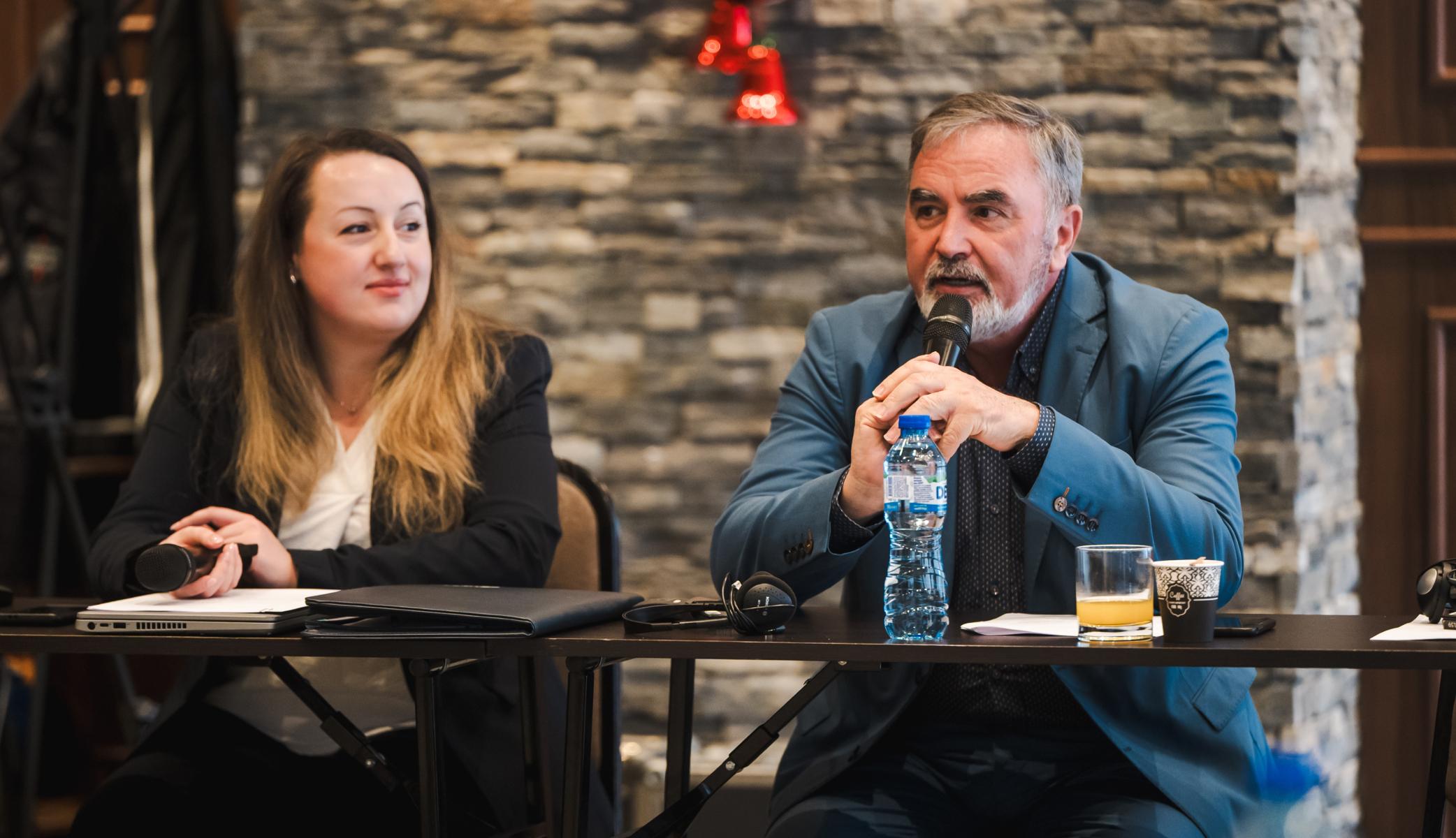
“Being added to the World Health Organization’s supplier list is an important recognition of the work we do every day together with healthcare professionals,” says Maja Magnusson, CEO of Care to Translate.
“Our vision is simple but fundamental: everyone should be able to be understood and to understand their care. When language barriers disappear, care becomes safer, more equal, and more human.”
Language barriers remain a major challenge in Bulgarian healthcare settings. Through WHO’s work in the Health Technical Working Group and joint missions to health facilities, frontline teams have consistently reported difficulties in caring for non-Bulgarian-speaking patients. These barriers affect clinical accuracy, patient safety, and increase the workload for healthcare staff.
This is reinforced by findings from the 2024 Socio-Economic Intentions Survey (SEIS), conducted with UNHCR, which identifies lack of translation and language-support services as a key barrier to timely and adequate healthcare access for refugees – particularly older persons and individuals with chronic diseases.
“Effective communication is essential for safe, quality healthcare,” says Tsvetalina Ananieva, WHO Country Office for Bulgaria.
“By supporting the introduction of medically validated digital tools, we aim to strengthen healthcare providers’ capacity to meet the needs of diverse patient populations and reduce communication barriers that can compromise access to care.”
In the context of Bulgaria’s accession to the Schengen area and continued regional instability following the war in Ukraine, increased migratory flows place added pressure on the healthcare system. This underscores the need for reliable, medically accurate communication tools that support both healthcare professionals and multilingual patient groups.
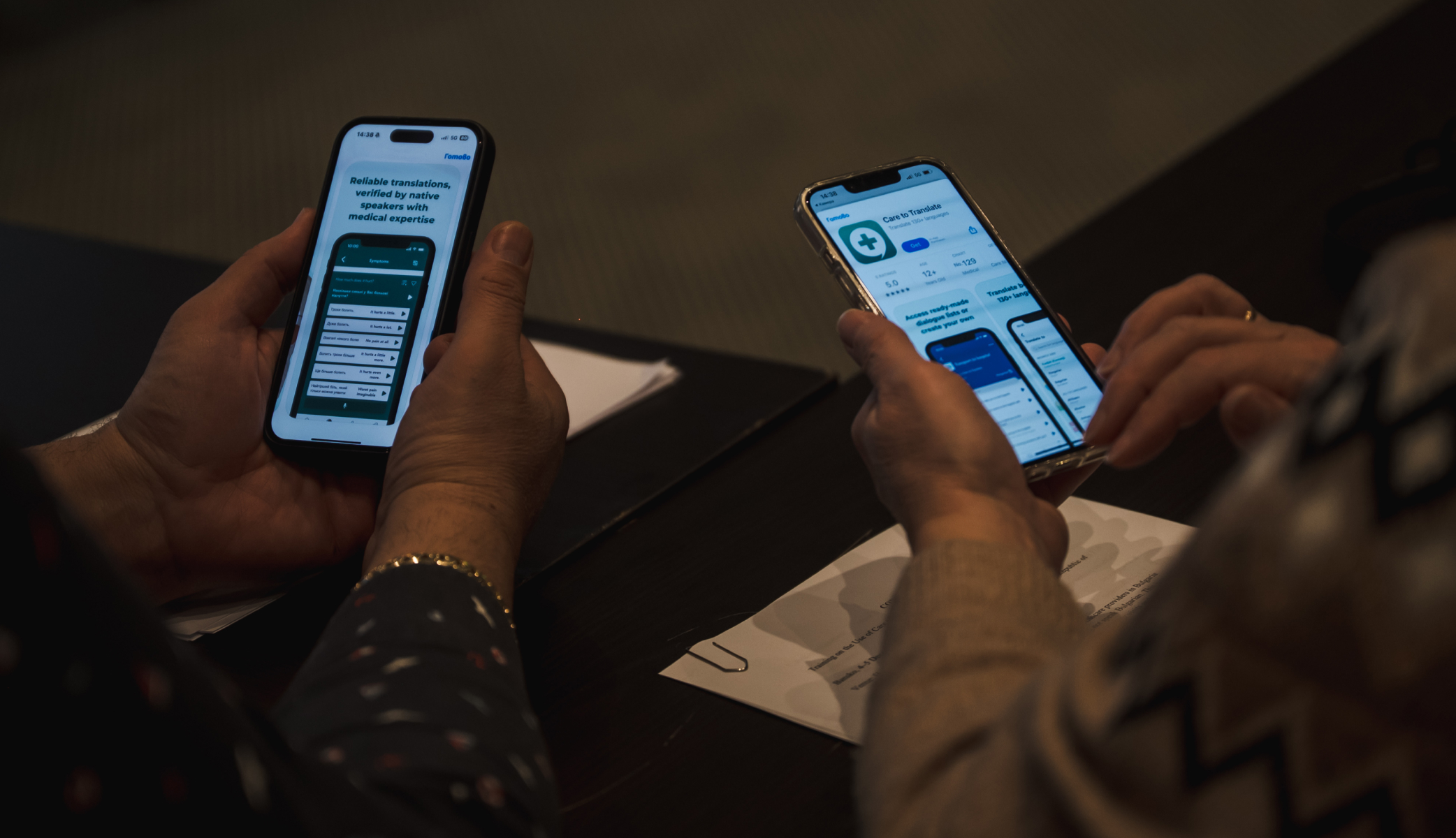
To address this need, WHO has identified Care to Translate as a digital solution already used successfully across several EU countries. The Care to Translate application is available on mobile (iOS and Android) and web platforms and provides medically validated, real-time translation in more than 130 languages, including Bulgarian, Ukrainian, and Russian. Evidence from healthcare systems in Norway, Sweden, Germany, and the United Kingdom shows reduced reliance on telephone interpreters, time savings for staff, and improved communication accuracy.
In Bulgaria, where telephone interpreter services are not available and EU-funded health mediators have played a key role since the start of the Ukrainian refugee situation, WHO has explored digital solutions as a sustainable and cost-effective complement to existing measures.
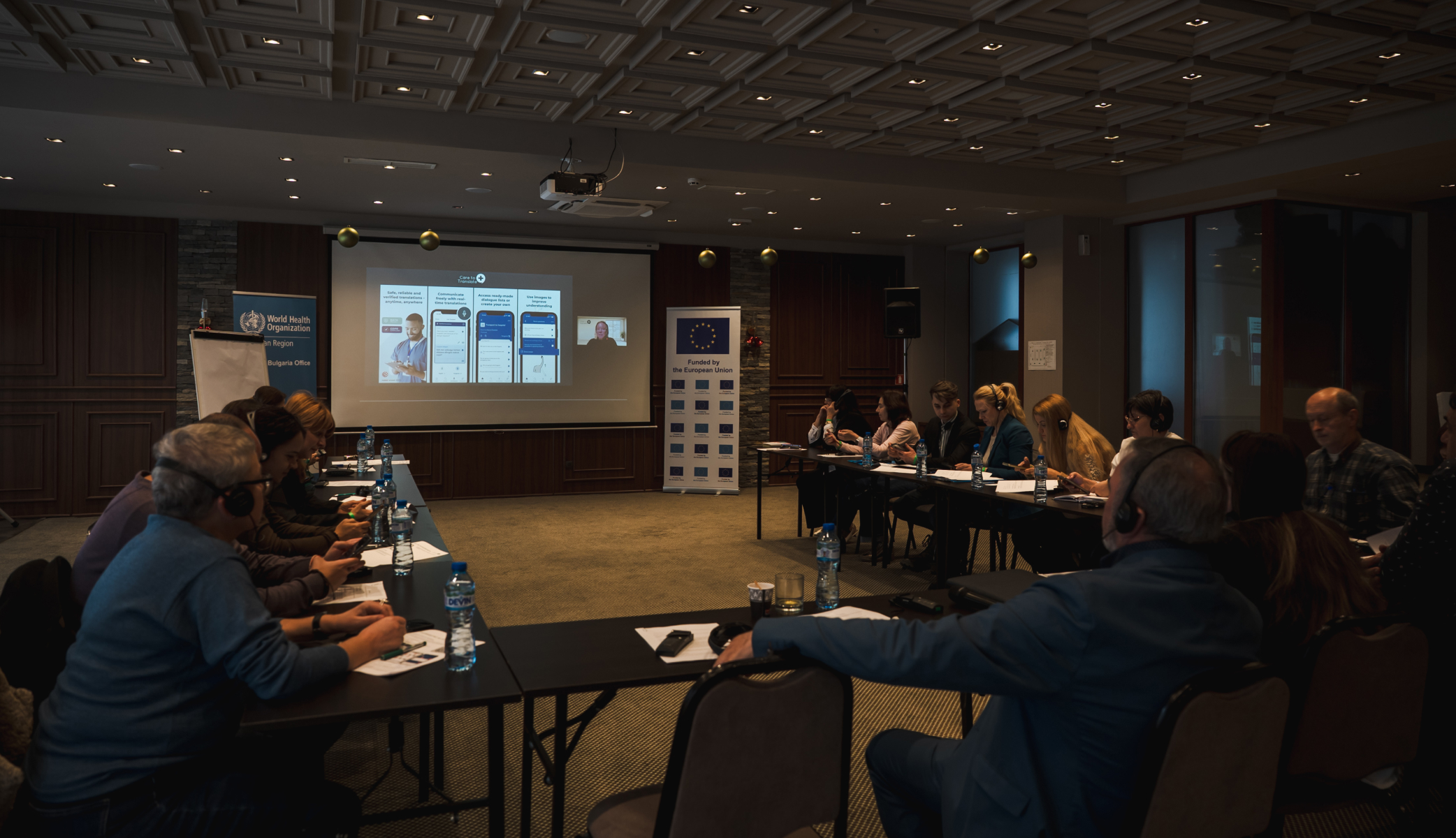
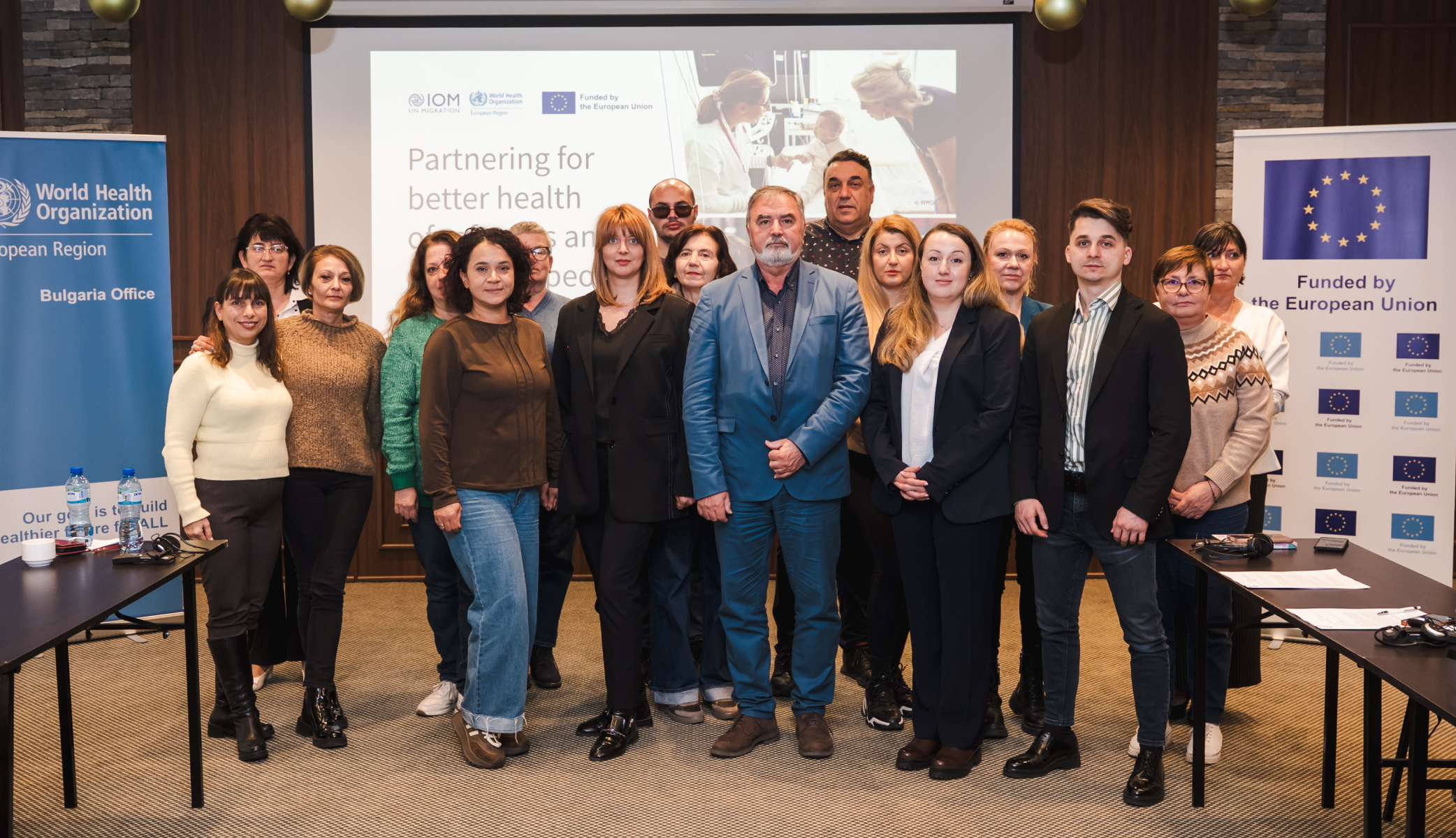
As part of the collaboration, WHO will donate Care to Translate licenses to the Bulgarian Ministry of Health. The initiative includes implementation of the application and training for selected general practitioners and hospitals serving refugee populations.
This collaboration is closely aligned with Care to Translate’s vision that everyone should be able to be understood and to understand their care, supporting safer clinical decisions, more equitable access to healthcare, and a better experience for both patients and healthcare professionals.
The World Health Organization is the United Nations’ specialized agency for health. It works worldwide to promote health, keep the world safe, and serve vulnerable populations. WHO supports countries in strengthening health systems, responding to health emergencies, and ensuring equitable access to essential health services for all.